
 Español
 Italiano
 Deutsch
 Français
 Português
 日本語
日本語 简体中文
简体中文 한국어
한국어 Русский
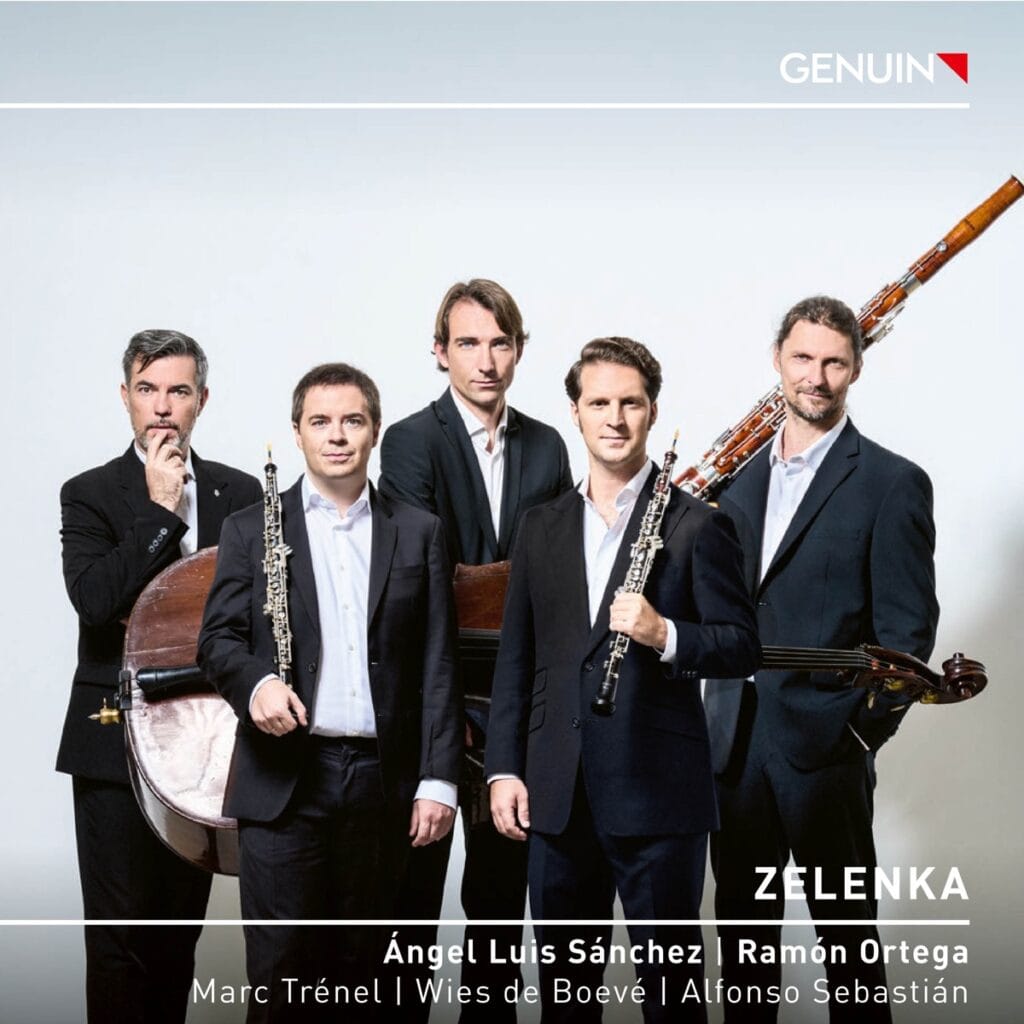
Zelenka: 6 Trio Sonatas, ZWV 181, new album featuring Ramón Ortega Quero and Ángel Luis Sánchez Moreno
Zelenka 6 Trio Sonatas ZWV 181 is the newly released album from GENUIN classics with two oboists in the foreground: Ramón Ortega Quero and Ángel Luis Sánchez Moreno. This is a particularly exciting release for those of us who love the oboe.
In my opinion as a professional oboist, the recording of a new album is always something to celebrate within the oboe world. In this instance, moreover, we are talking about an incredible record, featuring exceptional oboists whom I have the pleasure of knowing and whom I deeply admire for how they play and who they are as people.
For me, the most valuable part of a recording like this is not just hearing well-played notes: it’s hearing how they breathe, how they tune with each other, how they maintain the center of the sound, and how they manage to make such demanding music feel alive, natural, and full of direction.
In this post, I am sharing interviews with the two oboists, my personal take on the album, a link to listen to it, and also a link to the Zelenka post. I hope you enjoy it!
 ” alt=”Zelenka 6 Sonatas ZWV 181 album cover with Ramón Ortega Quero and Ángel Luis Sánchez Moreno” data-src=”https://eg-reeds.com/wp-content/uploads/2026/06/zelenka-6-sonatas-zwv-181-cover.jpg” />
Album quick facts
The oboists of the album
The album’s appeal lies not only in the repertoire: it’s also in the combination of top-tier performers. In our case, we are particularly drawn to Ramón Ortega and Ángel Luis Sánchez, two outstanding oboists.
Ramón and Ángel also have interviews on EG-REEDS that help provide more context when listening to the record. In the interview, another layer is revealed: how they think about their sound, their careers, the instrument, and their way of existing within the music.
” alt=”Ángel Luis Sánchez Moreno oboist” data-src=”https://eg-reeds.com/wp-content/uploads/2024/02/Angel-Luis-Sanchez-oboista-e1708604482685.png” />
Interview with Ángel Luis Sánchez Moreno
Trained in Zaragoza and at the Royal Conservatoire of The Hague.
” alt=”Ramón Ortega Quero oboist” data-src=”https://cdn.prod.website-files.com/689d1aa0b492511de3806136/689db0f153323ff581109f58_RamonOrtegaQuero05%20gro%C3%9F%20(1).webp” />
Interview with Ramón Ortega Quero
Winner of the ARD Munich Competition in 2007 and principal oboe of the Symphonieorchester des Bayerischen Rundfunks since 2008.
In the interview: Ángel Luis Sánchez Moreno on EG-REEDS.
EG-REEDS Oboe Reeds
Choose a reed that lets you respond freely
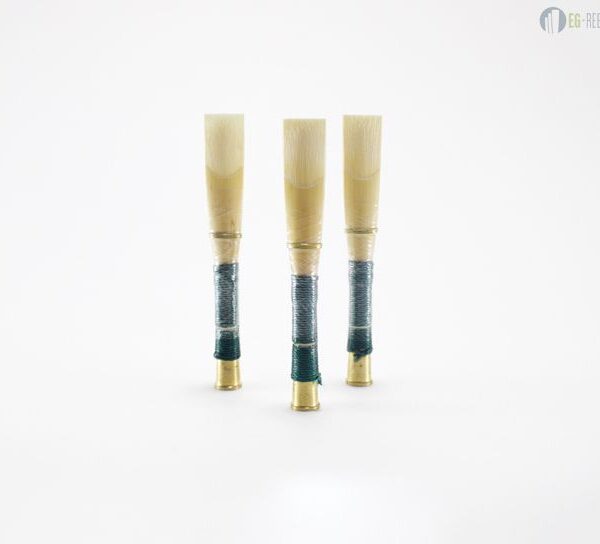
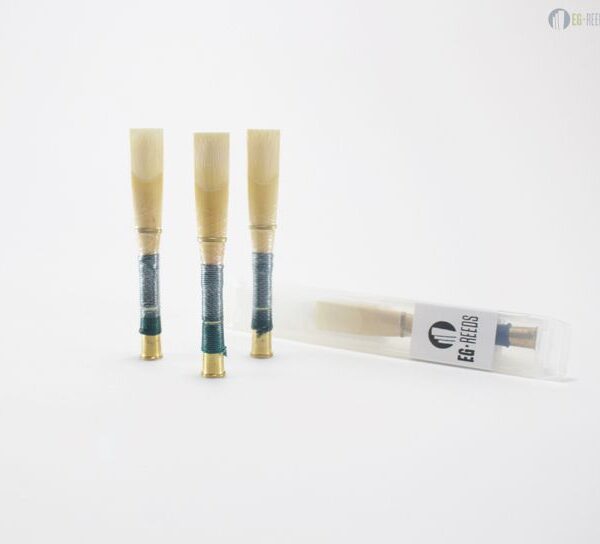
After listening to an album like this, the question returns to the music stand: response, center, intonation, and color. At EG-REEDS you can select professional or student reeds adjusted to help you play with more confidence.
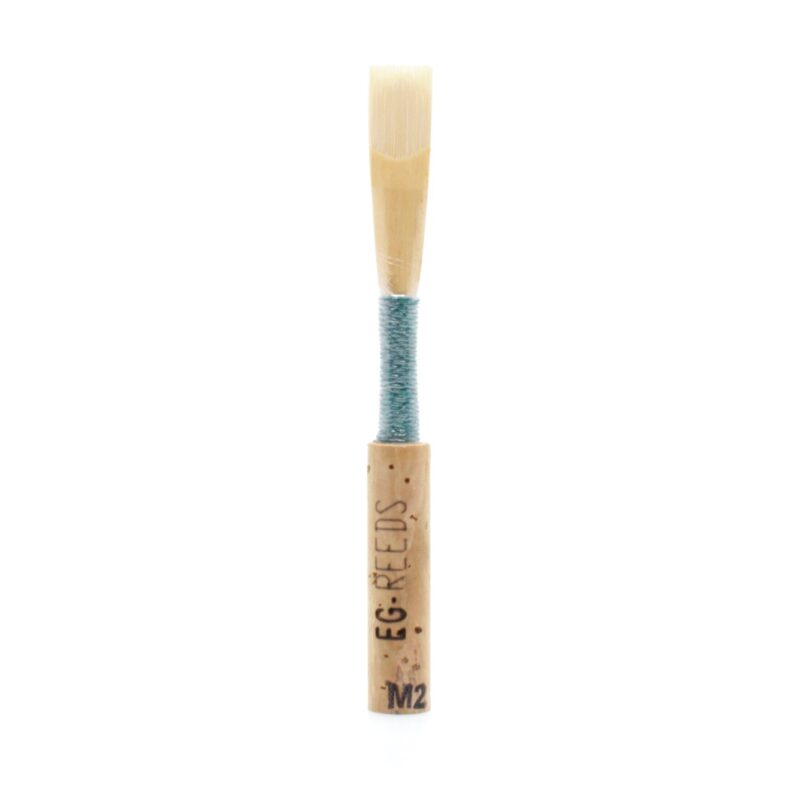
” alt=”EG-REEDS professional oboe reeds” data-src=”https://eg-reeds.com/wp-content/uploads/2024/04/Professional-reeds-for-oboe-to-buy.jpeg” />Professional reedsPRO, Mayer, 901 and M2 ” alt=”EG-REEDS student oboe reeds” data-src=”https://eg-reeds.com/wp-content/uploads/2024/04/Student-oboe-reeds-and-cane.jpeg” />Student reedsBeginner and intermediateThe ZWV 181 trio sonatas are written for two oboes, bassoon, and basso continuo. In this recording, the continuo is articulated with double bass and harpsichord, a foundation that allows the two oboes to be heard distinctly. For the specialized listener, this turns the album into precious material: you can perceive the attack of the reed, the stability of the sound center, the handling of intonation in thirds and sixths, and the way each oboe integrates without losing its personality.
The six trio sonatas ZWV 181
Jan Dismas Zelenka was a Bohemian baroque composer closely associated with the Dresden court. His ZWV 181 trio sonatas are significant for the oboe because they do not use the instrument merely as a secondary color: they place it at the center of demanding, contrapuntal, and highly conversational chamber writing.
Related article
Jan Dismas Zelenka and the oboe
To better understand why these sonatas are so important to the oboe world, we have prepared a separate post about Zelenka, his writing, and different versions to compare.
Listening guide to the six sonatas
Listen to the album
You can also start here with Spotify, YouTube, and the EG-REEDS interview with Ángel Luis Sánchez Moreno.
Frequently asked questions
When will Zelenka: 6 Sonatas, ZWV 181 be released?
GENUIN classics states the release date as June 5, 2026.
Who are the oboists on the album?
The oboists are Ramón Ortega Quero and Ángel Luis Sánchez Moreno. The ensemble is completed by Marc Trenel on bassoon, Wies de Boevé on double bass, and Alfonso Sebastián on harpsichord.
What is the instrumentation of these Zelenka sonatas?
The ZWV 181 cycle is scored for two oboes, bassoon, and basso continuo. In this recording, the continuo is played on double bass and harpsichord, according to the label’s credits.
Where can I listen to the album?
You can start from the GENUIN streaming page, Spotify, YouTube, or the playlist linked in this article.
Why would this record interest an oboist?
Because it allows you to hear very clearly the response, intonation, articulation, blend, and tone color in a repertoire where both oboes hold a constant responsibility.
Sources consulted
| Source | Data used | Link |
|---|---|---|
| GENUIN classics | Editorial details, date, performers, duration, and catalog | Album details |
| GENUIN / Odesli | Listening links and album cover | Streaming page |
| Webbooklet GEN 26955 | Tracklist, instrumentation, credits, and recording details | PDF Booklet |
| Ángel Luis Sánchez Moreno | Discography and official biography | Discography |
| Ramón Ortega Quero | Official biography and photo | Biography |
Best regards and good reeds.
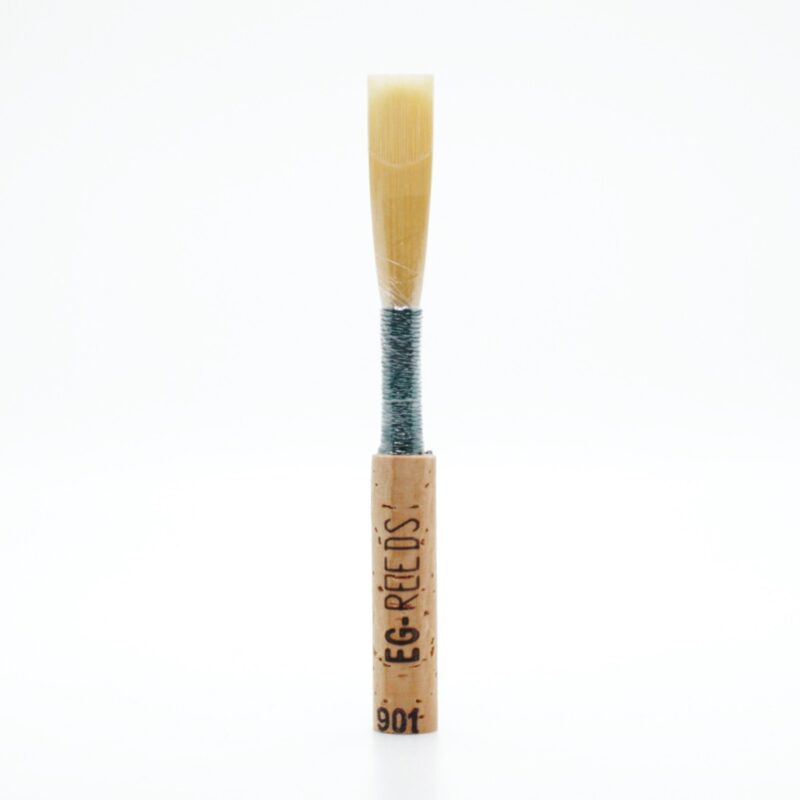










901 Professional oboe reed
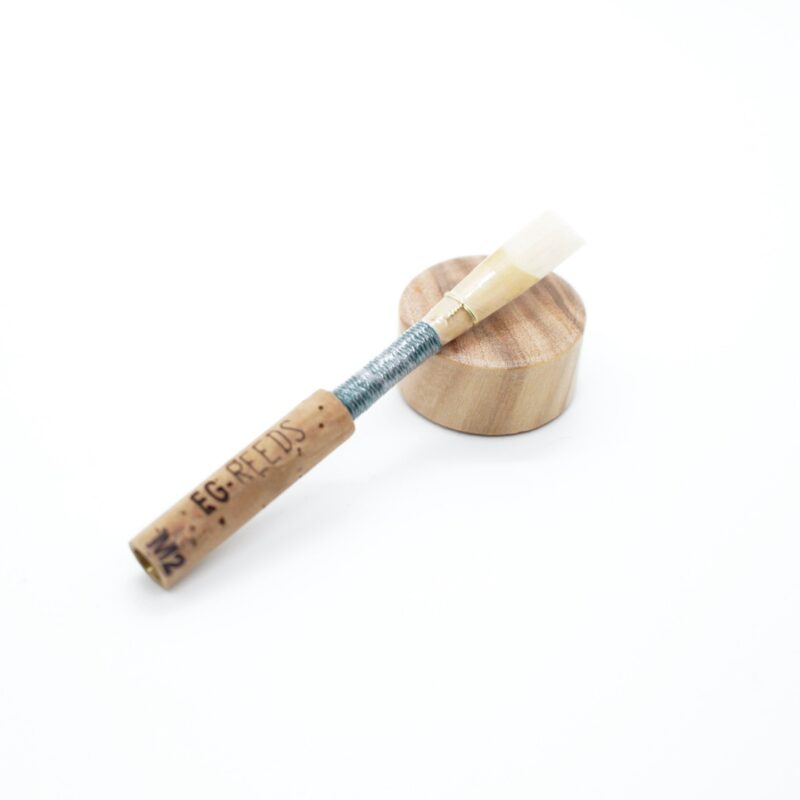
M2 Professional oboe reed
Intermediate oboe EG-REEDS
Mayer oboe reed
Beginner oboe EG-REEDS
Shaped oboe cane EG-REEDS
Student oboe reed Beginner EG-REEDS
Professional English horn reed EG-REEDS
Zelenka: 6 Sonatas, ZWV 181, new album with Ramón Ortega Quero and Ángel Luis Sánchez Moreno
Jun
Jan Dismas Zelenka and the oboe: why his sonatas still matter
Jun
Oboe reed making knives: guide to choosing the right tool
1 Comment
Apr
Oboe Results at The Muri Competition 2026: Fedor Osver, Varvara Petrova and Pedro Moreira
Apr
Changes to our shipping options starting January 1, 2026
François Leleux
Nov
Maurice Bourgue
Mar
The oboe in film music
Mar