
 English
 Español
 Italiano
 Français
 Português
 日本語
日本語 简体中文
简体中文 한국어
한국어 Русский
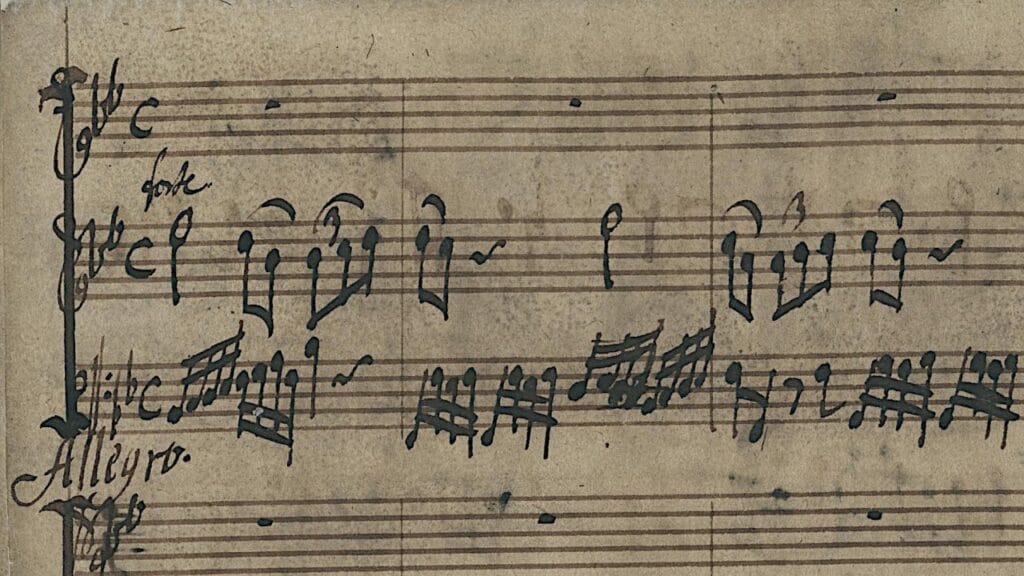
Jan Dismas Zelenka und die Oboe: warum seine Sonaten wichtig bleiben
Jan Dismas Zelenka ist nicht nur ein Barockname für Spezialisten. Für Oboistinnen und Oboisten sind die Trio Sonatas ZWV 181 ein anspruchsvolles Hörlabor: zwei Oboen, Fagott und Continuo im ständigen Gespräch.
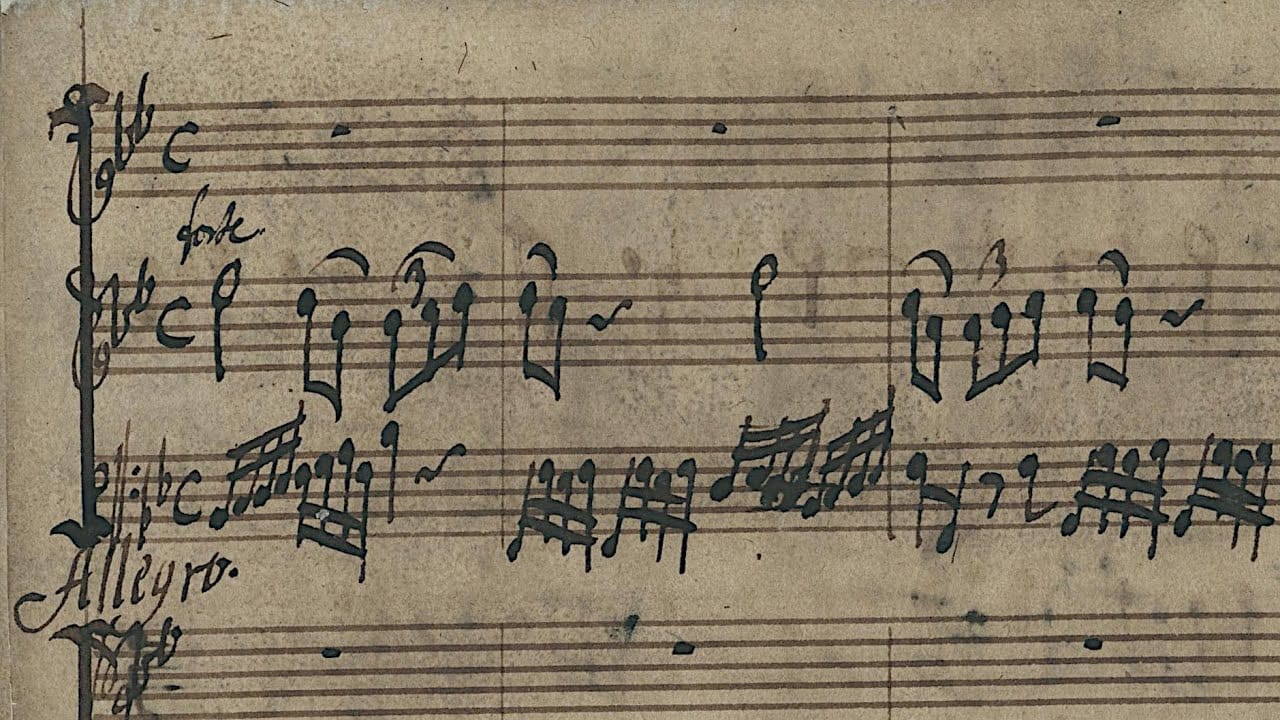
Zelenka in four ideas
Life
Zelenka was born in Bohemia in 1679 and died in Dresden in 1745.
Dresden
His career was closely linked to the Saxon electoral court.
Catalogue
Much of his output is sacred, written for the Catholic court chapel.
Oboe
The ZWV 181 sonatas place the oboe inside a demanding chamber texture.
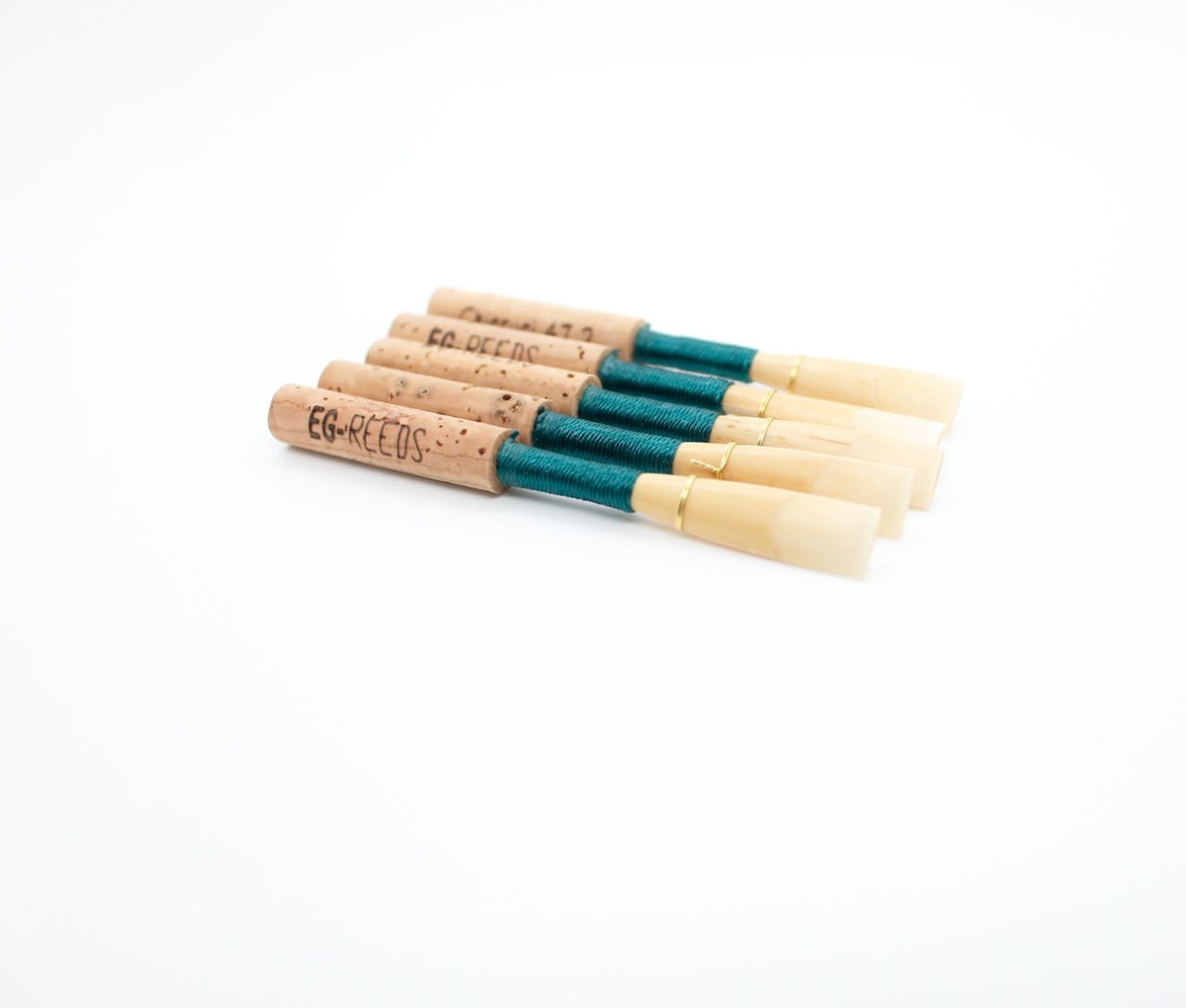
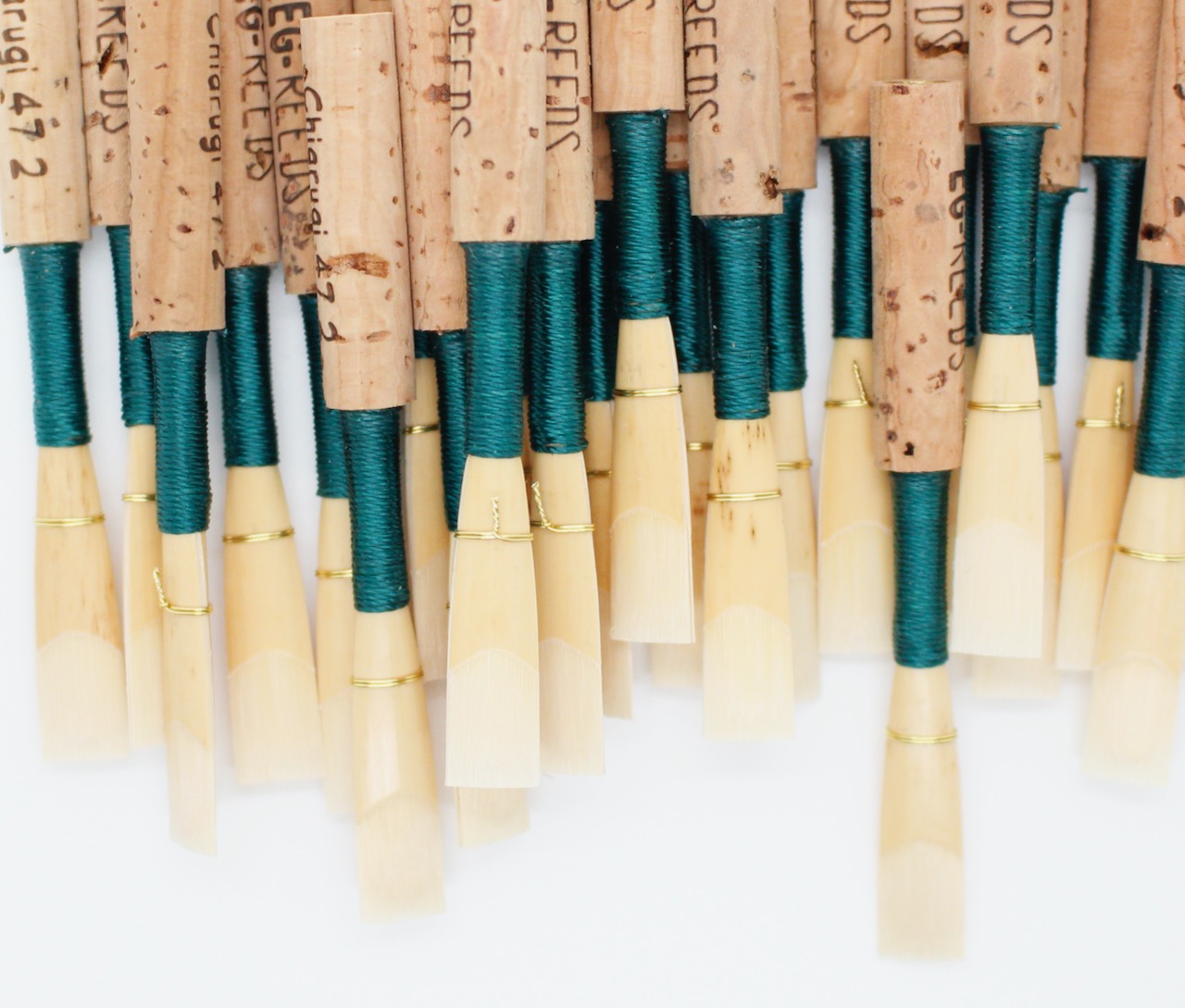
Wählen Sie ein Oboenrohr, das zu Ihrer Spielweise passt
If Zelenka makes you listen to response, intonation and sound centre in more detail, the reed cannot stay behind the music.
Vom Vergessen zum unverzichtbaren Repertoire
For a long time, Zelenka remained better known to specialists than to the wider concert public. His music gradually returned to circulation during the twentieth century, especially as performers and scholars paid closer attention to the Dresden repertoire.
That rediscovery matters for oboists because the ZWV 181 sonatas do not treat the instrument as decoration. They ask the oboe to lead, answer, tune, blend and sustain real chamber tension.
Wer Jan Dismas Zelenka war
Zelenka was a Bohemian Baroque composer whose career developed mainly in Dresden. His musical language is personal: dense counterpoint, bold harmonic turns and an almost theatrical sense of line.
Although his sacred music forms a large part of his catalogue, the trio sonatas show his understanding of instrumental colour and his knowledge of players capable of handling very demanding writing.
Wann die Sonaten ZWV 181 entstanden
IMSLP places the six Trio Sonatas ZWV 181 around 1720-1722. The exact dating is less important than the musical fact: this is mature, highly crafted chamber music.
Wie sie geschrieben sind: zwei Oboen, Bass und Gespräch
The usual scoring is two oboes, bassoon and basso continuo, although some sources mention variants. The two oboes often share the foreground, while the bass line does much more than simply support harmony.
For the player, that means constant responsibility: entrances must speak, dissonances must tune, and phrases must remain alive even when the texture becomes dense.
Was Oboisten hören
Unisons and imitation
When the oboes join or answer each other, centre, articulation and breathing become immediately audible.
Dissonance and chromaticism
Zelenka does not avoid tension; intonation must remain flexible and alert.
Canons and fugues
Contrapuntal writing demands direction even in quick, crowded passages.
Bass function
The bassoon and continuo can act almost like a third melodic voice.
Warum diese Sonaten für die Oboe wichtig sind
The ZWV 181 sonatas reveal a deep understanding of what the oboe can do: fast response, long lines, register changes, imitation and moments of harmonic pressure.
For EG-REEDS, this repertoire also connects listening with reed work. A reed that blocks response, centre or colour makes this music harder than it needs to be.
Die sechs Sonaten ZWV 181
1
Sonata I: listen to the noble opening and the balance between both oboes.
2
Sonata II: notice the darker tension and the way colour is tuned.
3
Sonata III: follow the brightness, articulation and dancing character.
4
Sonata IV: listen to longer phrases and control of sound colour.
5
Sonata V: observe flexibility and energy management in the middle-high register.
6
Sonata VI: notice the dramatic character and rhetorical direction.
Drei Versionen der Trio Sonatas im Vergleich
Comparing different recordings is useful: tempo, continuo colour, oboe sound and articulation change the way Zelenka breathes.
Zelenka: 6 Sonatas, ZWV 181
We also published a specific article on the new GENUIN classics album with Ramón Ortega Quero and Ángel Luis Sánchez Moreno.
Zelenka mit EG-REEDS hören
Start with the album links and then compare other versions. Listening across recordings helps separate composition, interpretation and reed response.
Im Interview: Ángel Luis Sánchez Moreno und Ramón Ortega Quero
The EG-REEDS interviews add personal and professional context to two oboists connected with this repertoire.

Interview with Ángel Luis Sánchez Moreno
A closer look at career, sound and the way an oboist thinks about repertoire.
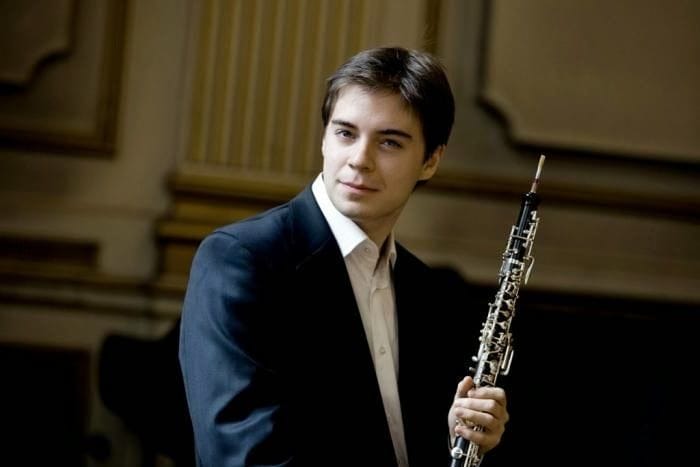
Interview with Ramón Ortega Quero
Context for listening to an international oboe reference with more criteria.
Häufige Fragen
Who was Jan Dismas Zelenka?
A Bohemian Baroque composer linked to Dresden, known for intense counterpoint and a distinctive harmonic language.
Why is Zelenka important for the oboe?
Because the ZWV 181 sonatas give the oboe a central, demanding chamber role.
What are the ZWV 181 sonatas?
A cycle of six trio sonatas usually associated with two oboes, bassoon and continuo.
Where should an oboist start?
Start by comparing recordings and listening for response, intonation, articulation and blend.
Inhalte zum Weiterlernen
Zelenka: 6 Sonatas, ZWV 181
Album data, videos, playlist and technical listening notes.
Interview with Ángel Luis Sánchez Moreno
Context for one of the oboists connected with the album.
Interview with Ramón Ortega Quero
Authority and perspective from an international oboist.
Professional oboe reeds
Connect listening with response and sound stability.
The oboe family
Broader context for the instrument and its relatives.
Verwendete Quellen
| Quelle | Verwendete Information | Link |
|---|---|---|
| GENUIN classics | Release and streaming information | GENUIN |
| Webbooklet GEN 26955 | Tracklist, instrumentation and recording credits | |
| IMSLP | Catalogue and sonata cycle reference | IMSLP |
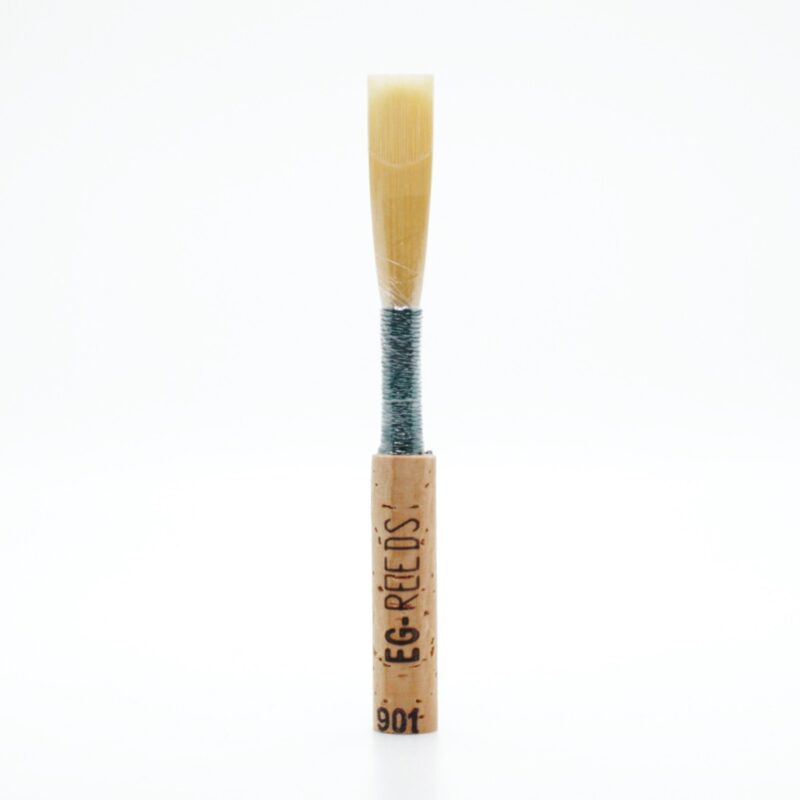









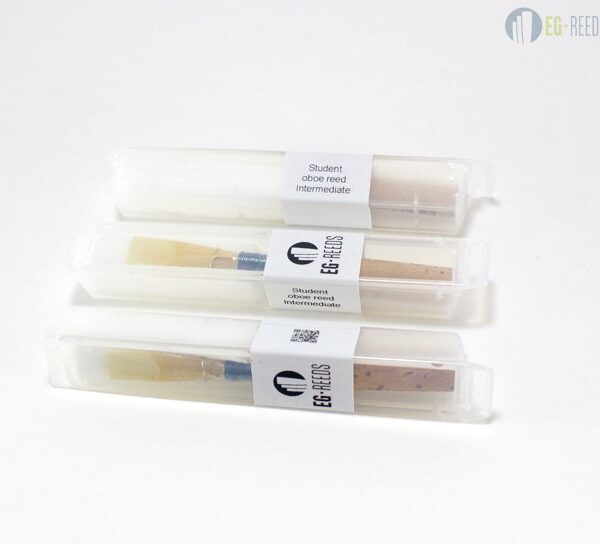
Professionelle Oboenrohr 901
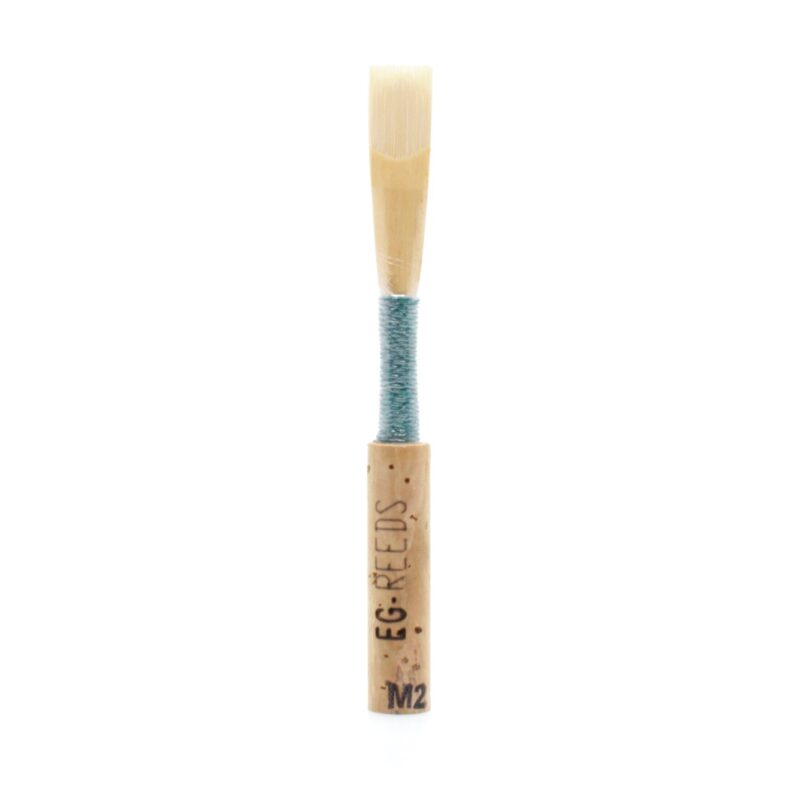
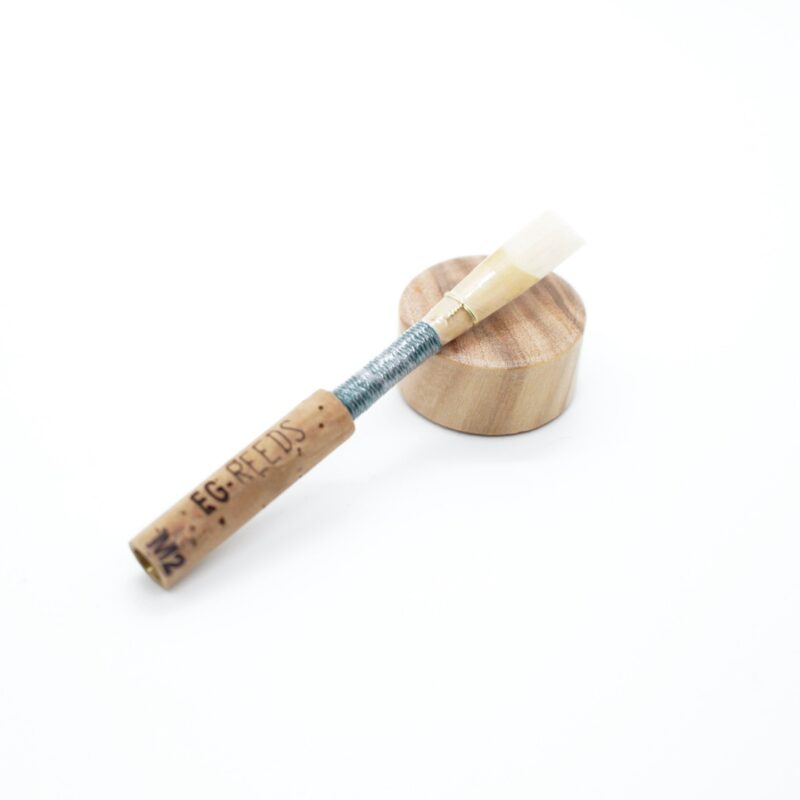
Professionelle Oboenrohr M2
Oboe für Fortgeschrittene EG-REEDS
Oboenrohr Mayer
Schüler Oboe EG-REEDS.
Fasson für Oboe EG-REEDS
Oboenrohr für Studenten (Einsteiger) EG-REEDS
Professionelle Rohr für Englisch Horn EG-REEDS
Zelenka: 6 Sonatas, ZWV 181, neue Aufnahme mit Ramón Ortega Quero und Ángel Luis Sánchez Moreno
Juni
Jan Dismas Zelenka und die Oboe: warum seine Sonaten wichtig bleiben
Juni
Grundmaterialien für die Herstellung von Oboenrohrblättern. Machen Sie sich bereit für den Schulanfang!
Mai
Die Teile der Oboe
Mai
Die Familie der Oboe.
Mai
Messer für Oboenrohrbau: so wählst du das richtige Werkzeug
Apr.
Ножи для изготовления тростей гобоя: как выбрать инструмент
Apr.
오보에 리드 제작용 나이프: 올바른 도구 고르는 법
Apr.