
 English
 Español
 Italiano
 Deutsch
 Français
 Português
 日本語
日本語 한국어
한국어 Русский
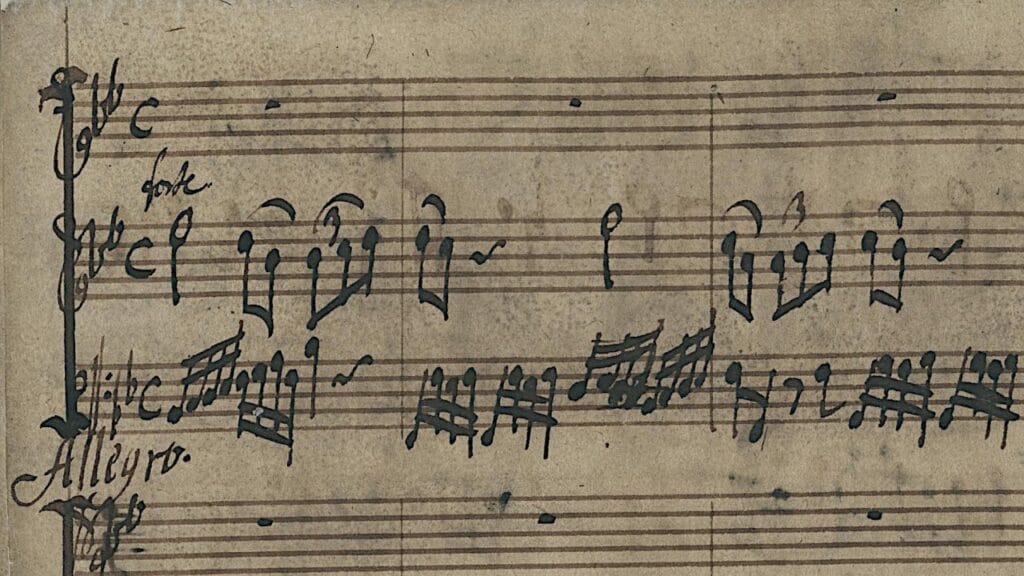
Jan Dismas Zelenka 与双簧管:为什么他的奏鸣曲仍然重要
Jan Dismas Zelenka 不只是专家熟悉的巴洛克作曲家。对双簧管演奏者来说,Trio Sonatas ZWV 181 是很有价值的聆听材料:两支双簧管、巴松和通奏低音始终在对话。
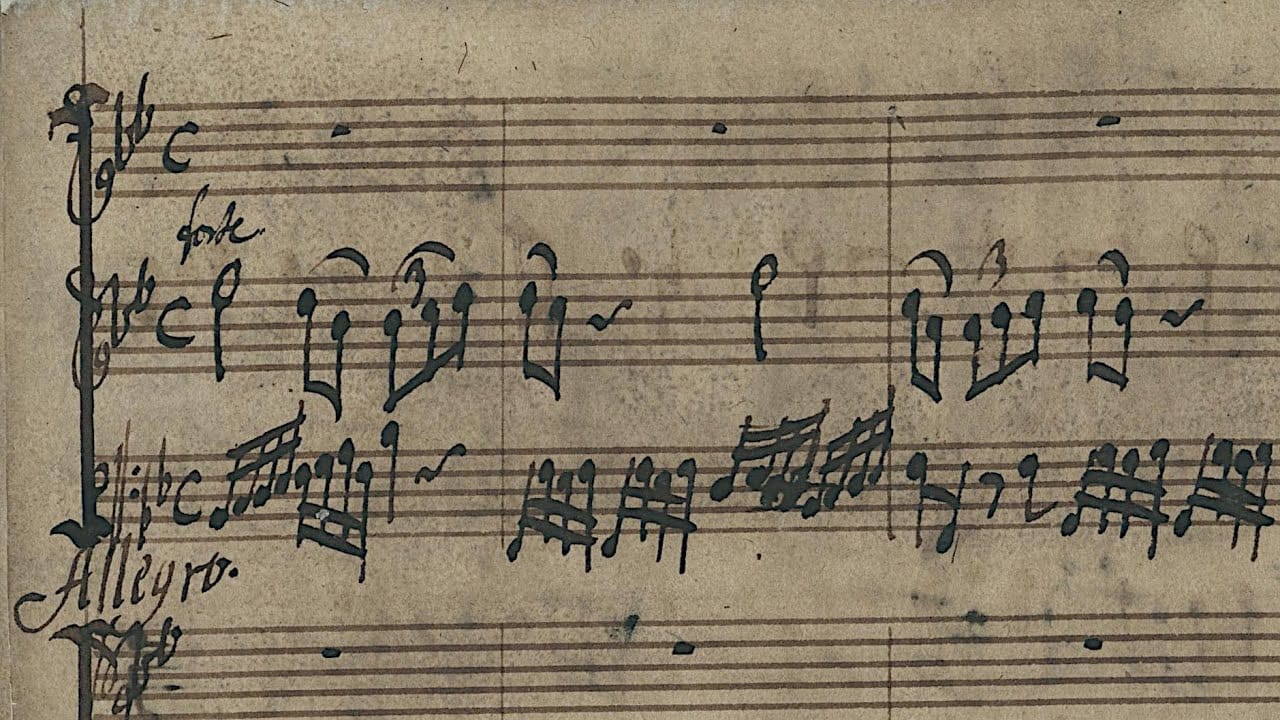
Zelenka in four ideas
Life
Zelenka was born in Bohemia in 1679 and died in Dresden in 1745.
Dresden
His career was closely linked to the Saxon electoral court.
Catalogue
Much of his output is sacred, written for the Catholic court chapel.
Oboe
The ZWV 181 sonatas place the oboe inside a demanding chamber texture.
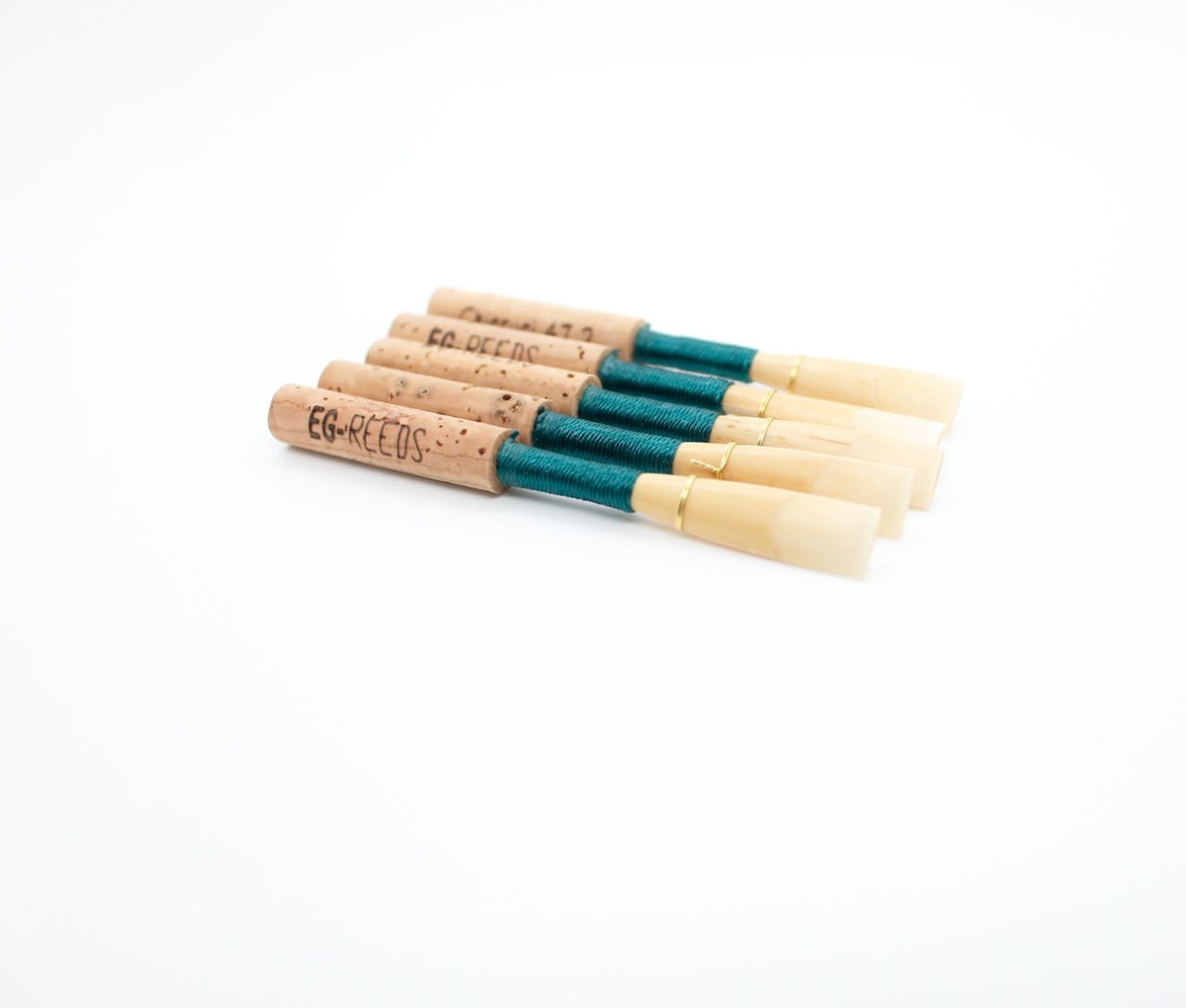
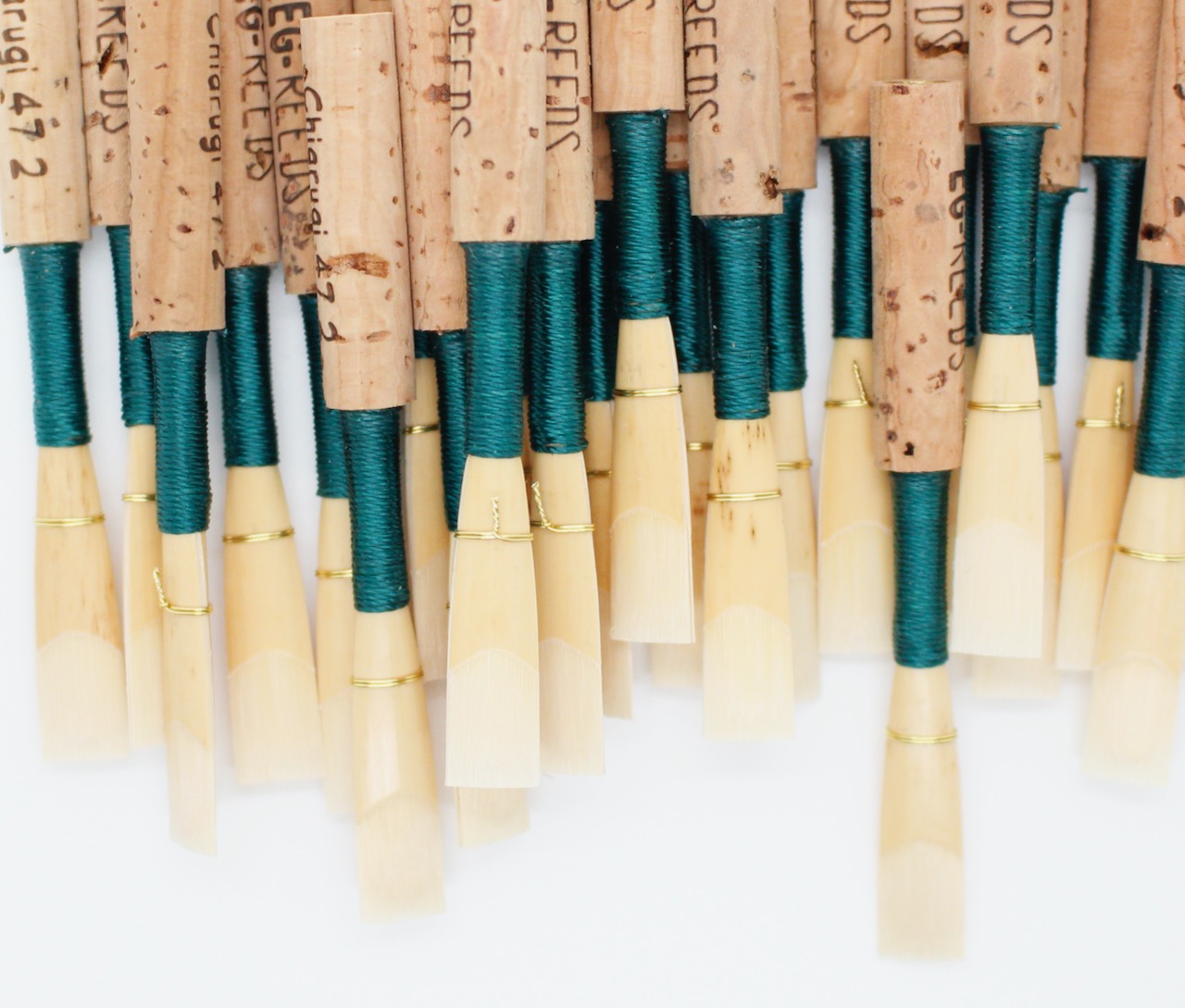
选择能支持你演奏方式的哨片
If Zelenka makes you listen to response, intonation and sound centre in more detail, the reed cannot stay behind the music.
从被遗忘到重要曲目
For a long time, Zelenka remained better known to specialists than to the wider concert public. His music gradually returned to circulation during the twentieth century, especially as performers and scholars paid closer attention to the Dresden repertoire.
That rediscovery matters for oboists because the ZWV 181 sonatas do not treat the instrument as decoration. They ask the oboe to lead, answer, tune, blend and sustain real chamber tension.
Jan Dismas Zelenka 是谁
Zelenka was a Bohemian Baroque composer whose career developed mainly in Dresden. His musical language is personal: dense counterpoint, bold harmonic turns and an almost theatrical sense of line.
Although his sacred music forms a large part of his catalogue, the trio sonatas show his understanding of instrumental colour and his knowledge of players capable of handling very demanding writing.
ZWV 181 奏鸣曲的创作时间
IMSLP places the six Trio Sonatas ZWV 181 around 1720-1722. The exact dating is less important than the musical fact: this is mature, highly crafted chamber music.
写作方式:两支双簧管、低音与对话
The usual scoring is two oboes, bassoon and basso continuo, although some sources mention variants. The two oboes often share the foreground, while the bass line does much more than simply support harmony.
For the player, that means constant responsibility: entrances must speak, dissonances must tune, and phrases must remain alive even when the texture becomes dense.
双簧管演奏者会听什么
Unisons and imitation
When the oboes join or answer each other, centre, articulation and breathing become immediately audible.
Dissonance and chromaticism
Zelenka does not avoid tension; intonation must remain flexible and alert.
Canons and fugues
Contrapuntal writing demands direction even in quick, crowded passages.
Bass function
The bassoon and continuo can act almost like a third melodic voice.
为什么这些奏鸣曲对双簧管重要
The ZWV 181 sonatas reveal a deep understanding of what the oboe can do: fast response, long lines, register changes, imitation and moments of harmonic pressure.
For EG-REEDS, this repertoire also connects listening with reed work. A reed that blocks response, centre or colour makes this music harder than it needs to be.
六首奏鸣曲 ZWV 181
1
Sonata I: listen to the noble opening and the balance between both oboes.
2
Sonata II: notice the darker tension and the way colour is tuned.
3
Sonata III: follow the brightness, articulation and dancing character.
4
Sonata IV: listen to longer phrases and control of sound colour.
5
Sonata V: observe flexibility and energy management in the middle-high register.
6
Sonata VI: notice the dramatic character and rhetorical direction.
三种版本比较 Trio Sonatas
Comparing different recordings is useful: tempo, continuo colour, oboe sound and articulation change the way Zelenka breathes.
Zelenka: 6 Sonatas, ZWV 181
We also published a specific article on the new GENUIN classics album with Ramón Ortega Quero and Ángel Luis Sánchez Moreno.
从 EG-REEDS 聆听 Zelenka
Start with the album links and then compare other versions. Listening across recordings helps separate composition, interpretation and reed response.
访谈:Ángel Luis Sánchez Moreno 与 Ramón Ortega Quero
The EG-REEDS interviews add personal and professional context to two oboists connected with this repertoire.

Interview with Ángel Luis Sánchez Moreno
A closer look at career, sound and the way an oboist thinks about repertoire.
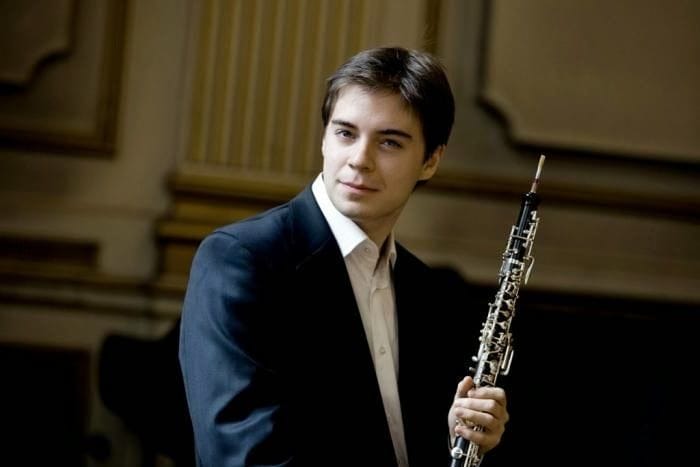
Interview with Ramón Ortega Quero
Context for listening to an international oboe reference with more criteria.
常见问题
Who was Jan Dismas Zelenka?
A Bohemian Baroque composer linked to Dresden, known for intense counterpoint and a distinctive harmonic language.
Why is Zelenka important for the oboe?
Because the ZWV 181 sonatas give the oboe a central, demanding chamber role.
What are the ZWV 181 sonatas?
A cycle of six trio sonatas usually associated with two oboes, bassoon and continuo.
Where should an oboist start?
Start by comparing recordings and listening for response, intonation, articulation and blend.
继续学习的内容
Zelenka: 6 Sonatas, ZWV 181
Album data, videos, playlist and technical listening notes.
Interview with Ángel Luis Sánchez Moreno
Context for one of the oboists connected with the album.
Interview with Ramón Ortega Quero
Authority and perspective from an international oboist.
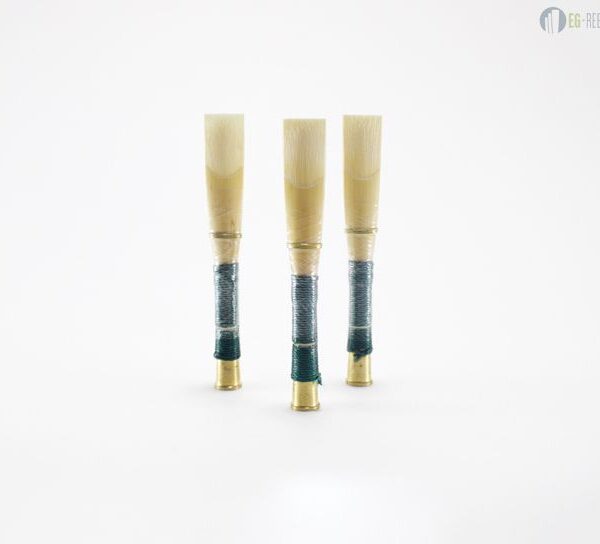
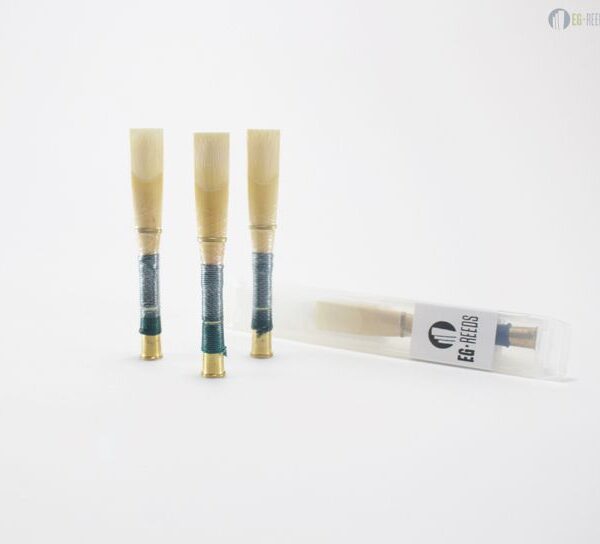
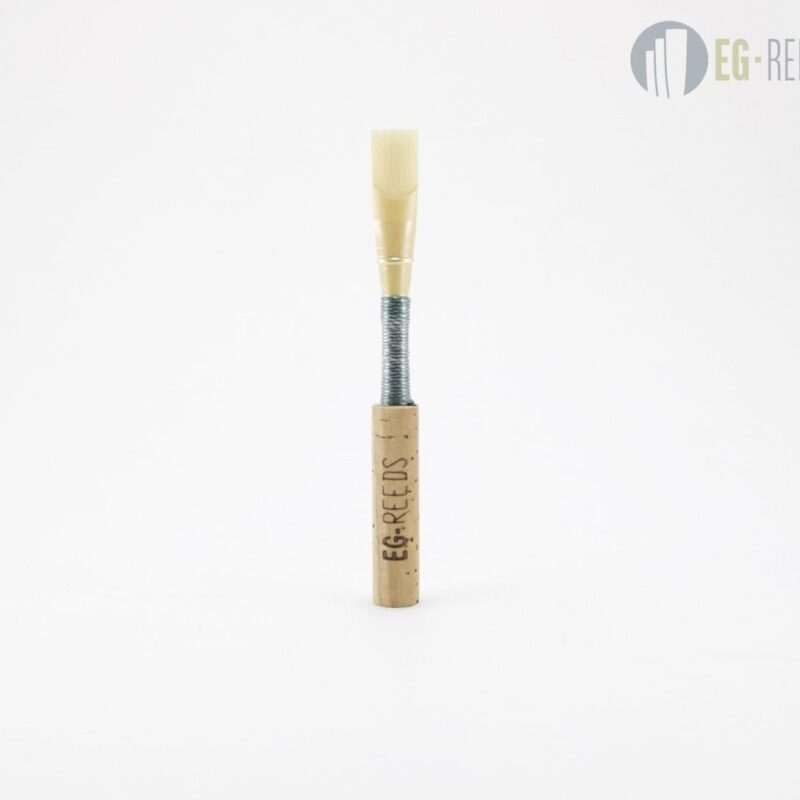
Professional oboe reeds
Connect listening with response and sound stability.
The oboe family
Broader context for the instrument and its relatives.
参考资料
| 来源 | 使用的信息 | 链接 |
|---|---|---|
| GENUIN classics | Release and streaming information | GENUIN |
| Webbooklet GEN 26955 | Tracklist, instrumentation and recording credits | |
| IMSLP | Catalogue and sonata cycle reference | IMSLP |
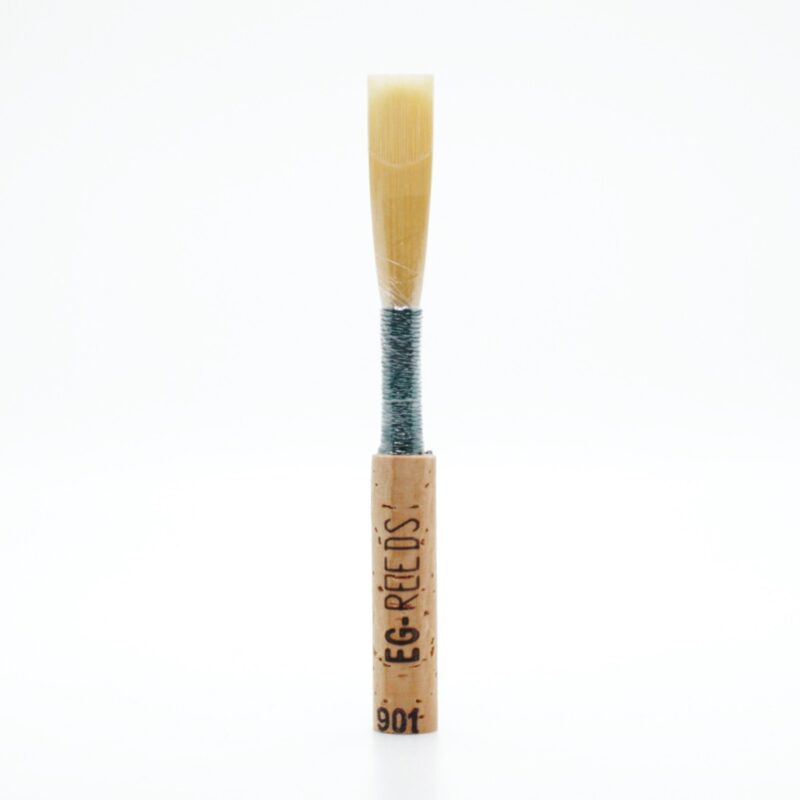












双簧管哨片专业 901
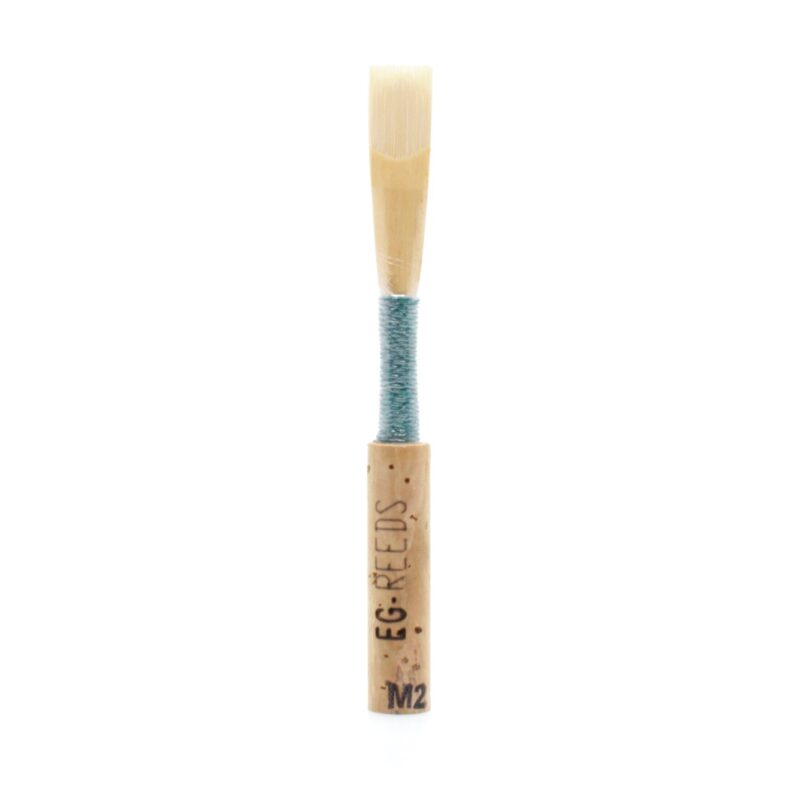
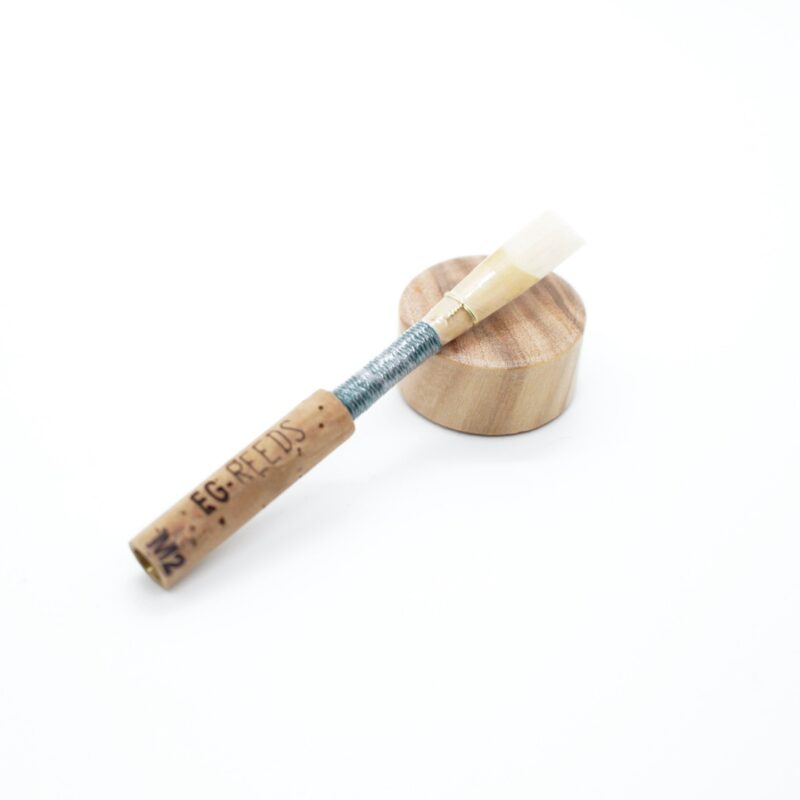
双簧管哨片专业 M2
半专业双簧管 EG-REEDS
双簧管哨片专业 Mayer
初学者双簧管 EG-REEDS
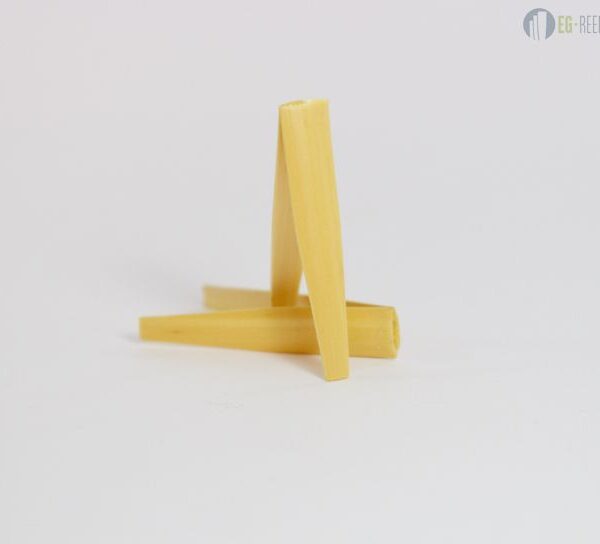
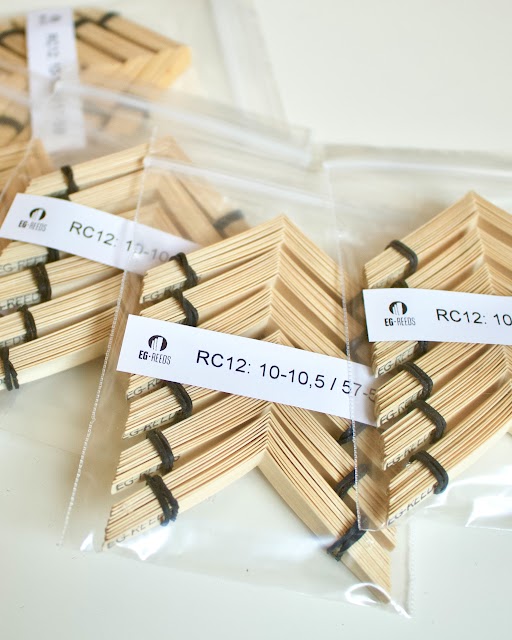
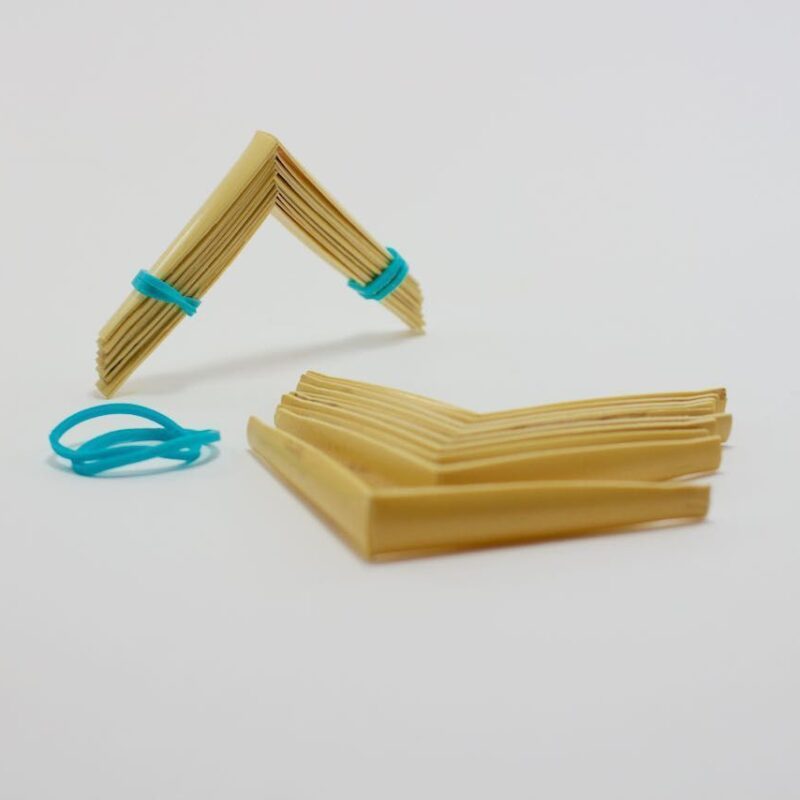
双簧管刨模片 EG-REEDS (10片)
双簧管哨片 (初学者) EG-REEDS
英国管哨片 EG-REEDS
Jan Dismas Zelenka 与双簧管:为什么他的奏鸣曲仍然重要
6 月
Zelenka: 6 Sonatas, ZWV 181 – Ramón Ortega Quero 与 Ángel Luis Sánchez Moreno 的新唱片
6 月
双簧管哨片:不同阶段的合适选择
5 月
弗朗索瓦·勒勒
5 月
海因茨·霍利格
5 月
阿尔布雷希特·迈耶
5 月
双簧管哨片制作的基础材料:为新学期做好准备
5 月
双簧管家族
5 月