
 Español
 Italiano
 Deutsch
 Français
 Português
 日本語
 简体中文
 한국어
 Русский

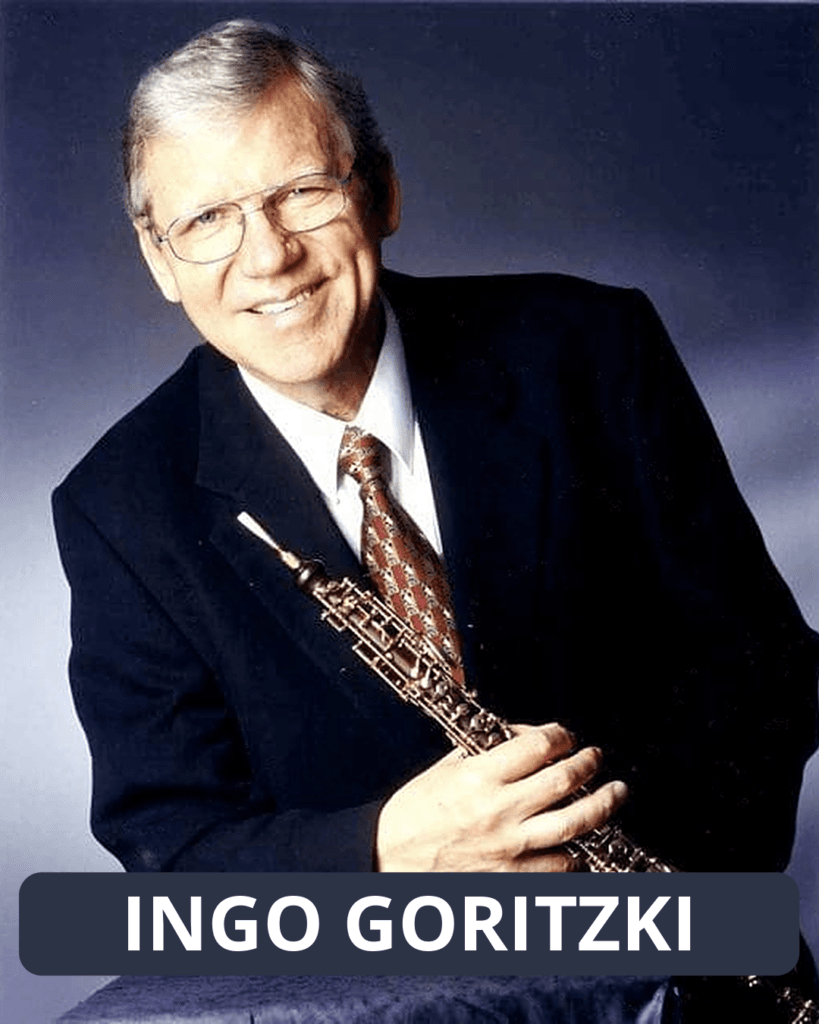
Ingo Goritzki.
Ingo Goritzki (Berlin, 1939) is one of the great German oboists and one of the teachers who have left the deepest mark on the oboe as it is played today. Oboists such as Albrecht Mayer and José Manuel González came through his class. And I, too, had the honour of being his student, so this article is, for me, a little bit special.
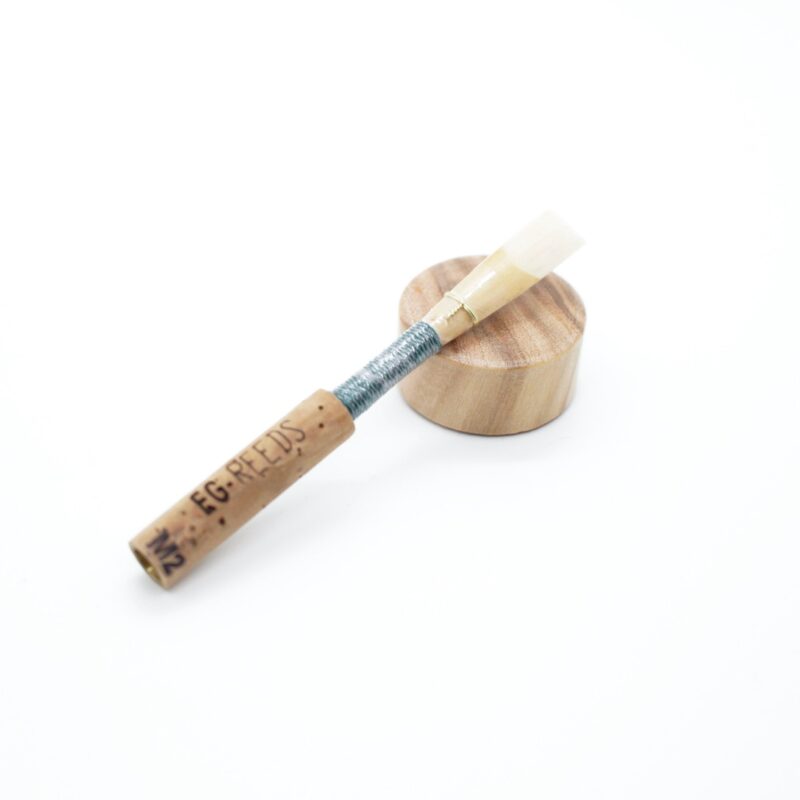
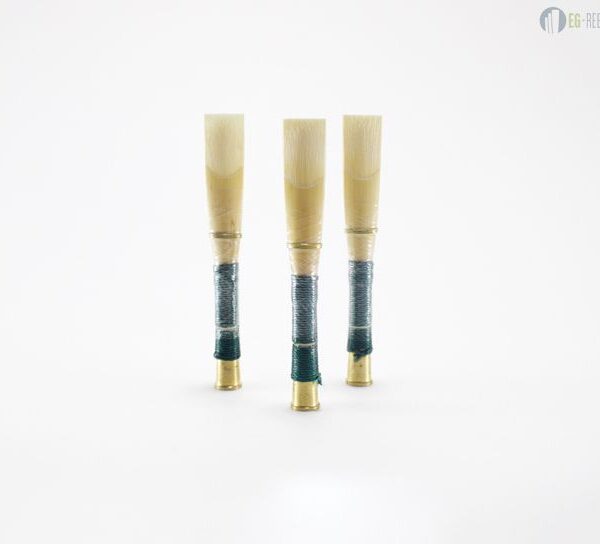
We take care of the reeds: scraped and adjusted by professionals, so they respond right from the very first attack.
Professional selection


Choose the reed that suits the way you play.
- Scraped and adjusted by professionals
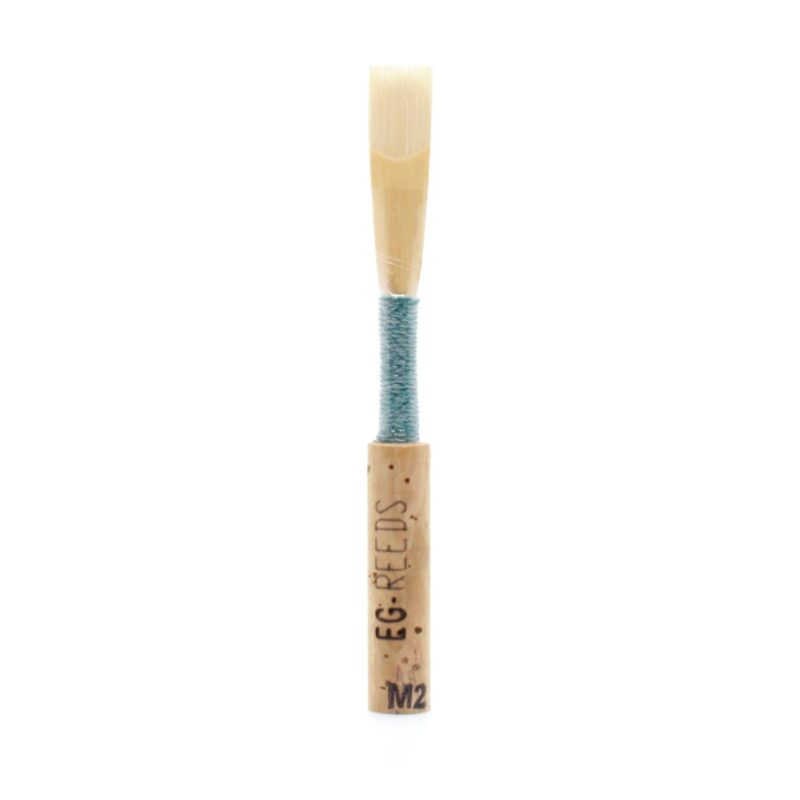
- PRO, Mayer, 901 and M2
- Stable response across the whole register
- Shipping to more than 65 countries
Musical education.
The funny thing is, Goritzki didn’t start out on the oboe. He studied flute and piano in Freiburg im Breisgau, until a teacher told him he had thin lips and that they were better suited to the oboe. He had to choose between giving up music and starting again from scratch on another instrument. And he chose the oboe. Thanks to that, he became one of the most famous oboists in history, and he also trained some of the best oboists in the world.
He then completed his studies in Detmold with Helmut Winschermann, one of the great German oboists of the 20th century and founder of the Deutsche Bachsolisten. On top of that, thanks to a scholarship, he spent a year in Paris studying with Pierre Pierlot, the great French oboist who also taught Heinz Holliger and François Leleux. He also took courses with Pablo Casals and Sándor Végh in Zermatt (Switzerland). That blend of the German and French schools later shaped the way he taught: in the eighties he set up an exchange between his class and Maurice Bourgue‘s class at the Paris Conservatoire, which students of his such as Albrecht Mayer took part in.
Ingo Goritzki’s oboe.
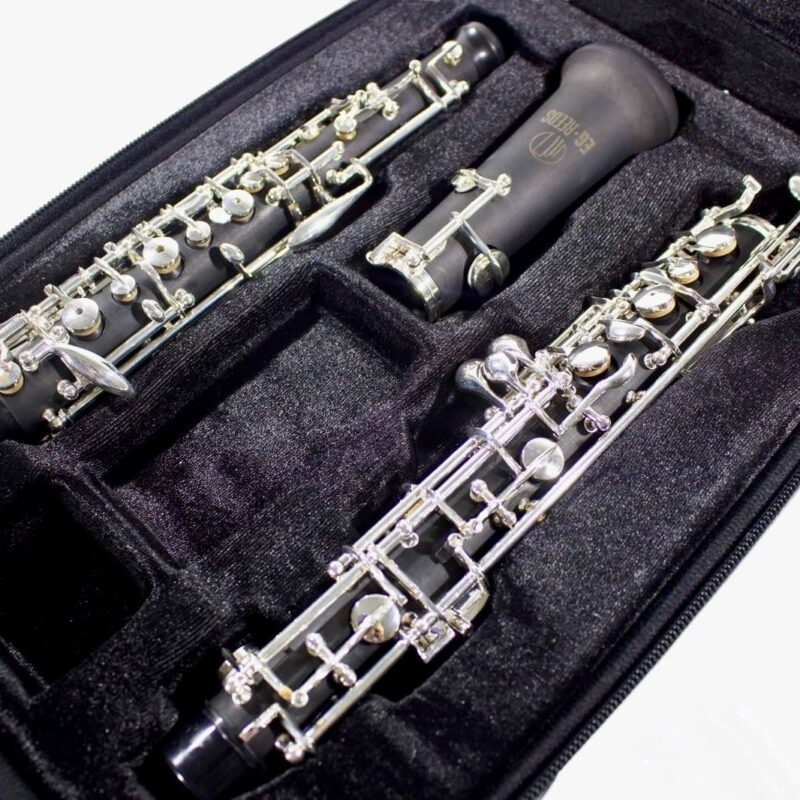
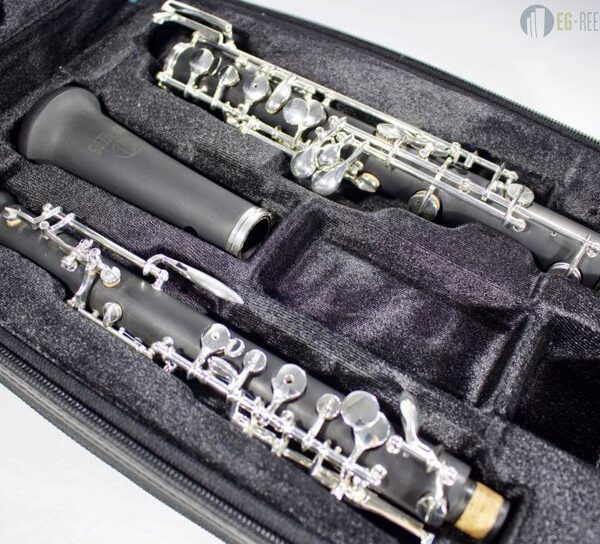
When I was his student, Ingo played a Ludwig Frank, a German oboe with a very dark sound and a wider bore than mine. One day he let me try it, and it really surprised me: the air column and the colour were completely different from my instrument’s. And in his hands it spoke with impressive ease.
Professional career.
After winning prizes in Birmingham, Prague and Geneva, he divided his career between the orchestra and teaching:
- For more than ten years he was principal oboe of the Basel Symphony Orchestra (Switzerland) and of the Frankfurt Radio Symphony.
- In 1976 he was appointed professor of oboe at the Hochschule für Musik und Theater Hannover. He later moved to the Hochschule für Musik und Darstellende Kunst Stuttgart.
- As a soloist he has performed at festivals such as the Oregon Bach Festival (United States) and the Berlin and Schleswig-Holstein festivals.
- He is a co-founder of the Musikalische Akademie Stuttgart and has been artistic director of Sommersprossen, the classical music festival in Rottweil.
- He has given masterclasses all over the world: at the Internationale Bachakademie Stuttgart, at the Reina Sofía School of Music in Madrid and at Ticino Musica in Switzerland, where I also studied with him.
Contribution to the oboe repertoire.
Goritzki is a remarkably versatile oboist: he plays the modern oboe and the baroque oboe, the oboe d’amore, the cor anglais and even the heckelphone.
- The Korean composer Isang Yun wrote the Duetto concertante for him, scored for oboe and cor anglais, cello and strings.
- On the heckelphone, in 1996 he recorded Hindemith’s Trio, Op. 47, for viola, heckelphone and piano.
- In 2001 he prepared Henle’s Urtext edition of Mozart’s Oboe Concerto in C major, K. 314 (HN 695), with a supplement comparing the concerto’s sources. The German magazine Rohrblatt went as far as saying that every oboist who plays this concerto will have to measure themselves against this edition.
By the way, on the Reina Sofía School’s channel you can watch a class he gave on the third movement of this concerto.
Ingo Goritzki, Albrecht Mayer’s teacher.
If there’s one thing that defines Goritzki, it’s his school, with students in orchestras all over the world. Among them:
- Albrecht Mayer, principal oboe of the Berlin Philharmonic, who also studied with Maurice Bourgue.
- Washington Barella, principal oboe of the SWR Symphony Orchestra from 1992 to 2016 and professor at the Berlin University of the Arts. He studied with Goritzki in Hannover from 1984 to 1986, and he’ll be on our podcast very soon.
- Nikola Stolz, first principal oboe of the Stuttgart Philharmonic since 2002, who joined his class at seventeen.
- Giorgi Kalandarishvili, Georgian oboist and principal oboe of the Münster Symphony Orchestra, who later studied with François Leleux in Munich.
- José Manuel González, principal oboe of the Royal Seville Symphony Orchestra. He furthered his studies with Goritzki in Stuttgart and, years later, he was my teacher.
My time as Ingo Goritzki’s student.
I experienced his school twice. First in Spain, with José Manuel, with whom I studied for three years. I remember months and months spent correcting my finger position so I could play without tension. At the end of the day, a closed key is closed, and however hard you press, it won’t sound any better. It was, so to speak, one of Ingo’s obsessions.
Then I went to Germany to study with him. I arrived having already finished my higher conservatoire degree, thinking I knew how to play, and on the first day he said to me: ‘Right, now let’s learn the oboe.’ It was almost an introduction: ‘Éric, oboe; oboe, Éric.’ This is how you hold it, this is how you breathe and this is how you put the reed in your mouth. In other words, starting from scratch.
With Ingo I spent months working on the second and third octaves, until they sounded just as even as the first. Legato, and make it sing: those were the words he repeated most. And we studied vibrato using orchestral solos.
As a person, a true gentleman. As a teacher, he would listen to you and see right through you, like an X-ray. As soon as I arrived, he told me that if I did what he asked, in two years I’d be working in an orchestra. And that’s exactly what happened. His method is simply brilliant, and that’s why so many of his students play in orchestras today.

José Manuel González and I look back on our time with him (in Spanish), and Washington Barella, who also trained in his class, is joining us very soon.
Notable recordings by Ingo Goritzki.
Goritzki has recorded a great deal, above all for the Swiss label Claves. These are the ones most worth listening to:
- Bach, reconstructed oboe concertos: with the Bach-Collegium Stuttgart and Helmuth Rilling. The Adagio from BWV 1056R is his most-played recording on Spotify.
- Mozart, oboe concertos (Claves, 1994): K. 314, K. 313 in its oboe version and the Andante K. 315, with the Polish Chamber Philharmonic and Wojciech Rajski.
- Bohemian oboe concertos (Claves, 1990): Fiala, Krommer, Kalliwoda and Martinů.
- French Music for Oboe & Bassoon (Claves, 1991): the Saint-Saëns and Poulenc sonatas and Poulenc’s Trio, with the bassoonist Klaus Thunemann and the Spanish pianist Ricardo Requejo.
- Zelenka, 6 trio sonatas (1986): with Burkhard Glaetzner. If you’d like to know more, we explain why these sonatas are still so important.
Here’s his Spotify profile so you can listen to them whenever you like:
Ingo Goritzki’s legacy.
Ingo Goritzki is one of the most influential oboists in history. What’s more, he is one of those teachers who create a school: his way of working on technique and sound lives on in orchestras all over Europe, Spain included.
Ingo Goritzki in a nutshell:
- Born: Berlin, 1939.
- Instruments: oboe, baroque oboe, oboe d’amore, cor anglais and heckelphone.
- Teachers: Helmut Winschermann, in Detmold, and Pierre Pierlot, in Paris.
- Orchestras: principal oboe of the Basel Symphony Orchestra and the Frankfurt Radio Symphony.
- Teaching: professor of oboe in Hannover (from 1976) and in Stuttgart.
- Notable students: Albrecht Mayer, Washington Barella, Nikola Stolz and José Manuel González.
Frequently asked questions about Ingo Goritzki.
- Who is Ingo Goritzki?
A German oboist and teacher born in Berlin in 1939, who taught Albrecht Mayer and a whole generation of oboists. - Was Ingo Goritzki Albrecht Mayer’s teacher?
Yes. Albrecht Mayer, principal oboe of the Berlin Philharmonic, studied with him, as did Washington Barella and José Manuel González. - Who did Ingo Goritzki study with?
With Helmut Winschermann in Detmold and with Pierre Pierlot in Paris. - What oboe does Ingo Goritzki play?
When I was his student he played a Ludwig Frank, a German oboe with a very dark sound and a wider bore than usual. - Which Ingo Goritzki recordings are worth listening to?
The reconstructed Bach concertos with Helmuth Rilling, the Mozart concertos with Wojciech Rajski and his album of French music with Klaus Thunemann.
If you’d like to get to know other famous oboists, here are our articles on Albrecht Mayer, Maurice Bourgue, Heinz Holliger and François Leleux.
And here’s the episode, in Spanish, where José Manuel and I talk about Ingo (it starts at minute 21).
Best regards and good reeds! 👋🎶
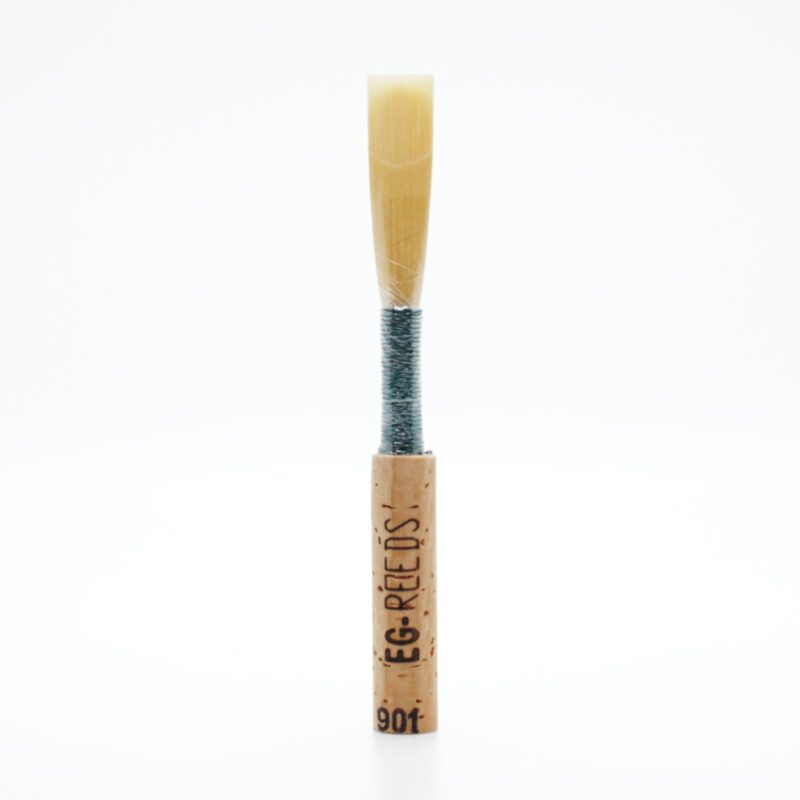











901 Professional oboe reed
M2 Professional oboe reed
Intermediate oboe EG-REEDS
Mayer oboe reed
Beginner oboe EG-REEDS
Shaped oboe cane EG-REEDS
Student oboe reed Beginner EG-REEDS
Professional English horn reed EG-REEDS
Ingo Goritzki
Nov
Zelenka: 6 Sonatas, ZWV 181, new album with Ramón Ortega Quero and Ángel Luis Sánchez Moreno
Jun
Jan Dismas Zelenka and the oboe: why his sonatas still matter
Jun
Oboe reed making knives: guide to choosing the right tool
1 Comment
Apr
Oboe Results at The Muri Competition 2026: Fedor Osver, Varvara Petrova and Pedro Moreira
Apr
Changes to our shipping options starting January 1, 2026
François Leleux
Nov
Maurice Bourgue
Mar