Español
 Italiano
 Deutsch
 Français
 Português
 日本語
日本語 简体中文
简体中文 한국어
한국어 Русский


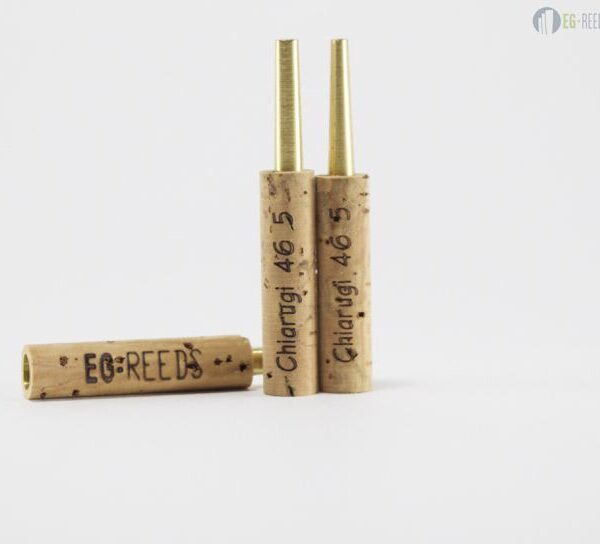
Chiarugi 46 2 oboe staple.
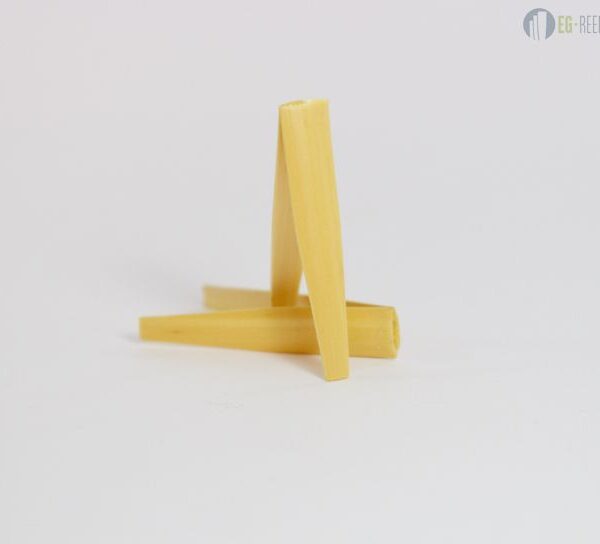
The Chiarugi 46 2 oboe staple is a 46 mm type 2 brass staple. It is the metal tube onto which shaped cane is tied to make an oboe reed.
The Chiarugi 2 is the best-selling oboe staple in the world. Within this range, the 46 2 has a very practical place: it is shorter than the 47 mm standard, but less direct than the 45 mm model.
It is therefore an interesting option when you need to raise the pitch of the reed setup moderately without moving straight to the shortest length.
The intermediate length for pitch adjustment.
The Chiarugi 46 2 is designed for oboists who usually work with 47 mm staples but feel that their reed or instrument tends to sit a little low.
By reducing one millimetre compared with the 47 2, this staple helps raise the general pitch of the setup. It does not change the whole reed by itself, but it can give useful room when the combination needs a small lift.
The final result depends on the cane, tying, scrape, embouchure, oboe and way of playing.
Who is this staple for?
The 46 2 can be a good fit if the 47 2 feels slightly low, but the 45 2 feels too short or too direct.
It is also a useful length to compare with the 47 2 when you want to fine-tune the balance between response, pitch and resistance.
If you already know that you need to raise the pitch a lot, go to the Chiarugi 45 2. If you prefer to start from the standard reference, see the Chiarugi 47 2.
Comparison with other lengths.
Staple length is one of the variables that is felt most quickly in the general pitch of the reed. As a practical rule, the shorter the staple, the more the reed setup tends to rise in pitch.
| Model | Length | Use profile | Usual effect |
|---|---|---|---|
| Chiarugi 47 2 | 47 mm | Standard length | Neutral reference for starting the setup. |
| Chiarugi 46 2 | 46 mm | Intermediate option | Helps raise the pitch slightly. |
| Chiarugi 45 2 | 45 mm | Short option | Helps raise the pitch more noticeably. |
Material and construction.
The Chiarugi 46 2 is made of brass, a classic material for oboe staples. Its shape allows stable tying and precise reed sealing work.
Type 2 identifies the model within the Chiarugi range. It does not indicate the final hardness of the reed, which depends on the cane, shape, tying and scrape.
Opening dimensions.
These measurements help identify the Chiarugi type 2 profile. Use them as a technical reference for comparing models and preparing your reed setup.
| Measurement | Description | Value |
|---|---|---|
| Length | Total staple length. | 46 mm |
| Top opening horizontal | Major diameter of the oval where the cane is tied. | 2.4-2.55 mm |
| Top opening vertical | Minor diameter of the oval where the cane is tied. | 1.9-1.95 mm |
| Bottom opening | Round diameter of the part inserted into the oboe staple socket. | 4.6-4.70 mm |
| Wall thickness | Approximate wall thickness of the staple. | 0.20-0.30 mm |
Practical advice from EG-REEDS.
If a 46 mm staple leaves you too high in pitch, do not pull the staple out of the oboe staple socket to lower it. Pulling it out creates an internal step that can disturb sound and overall intonation.
The cleaner solution is to review reed length, adjust the scrape or return to a longer length such as the 47 2.
Complete your staple.
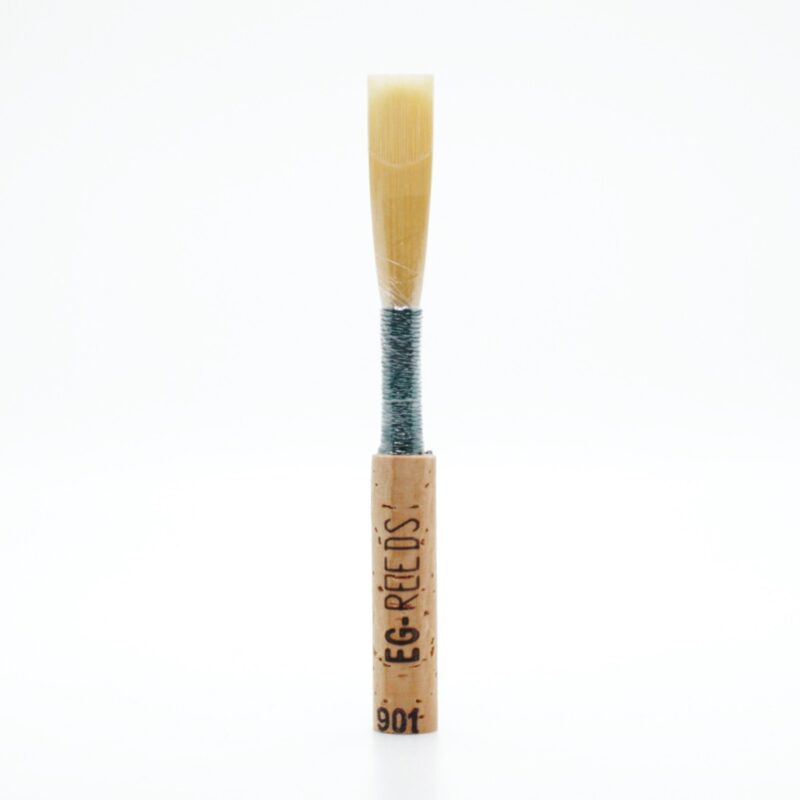
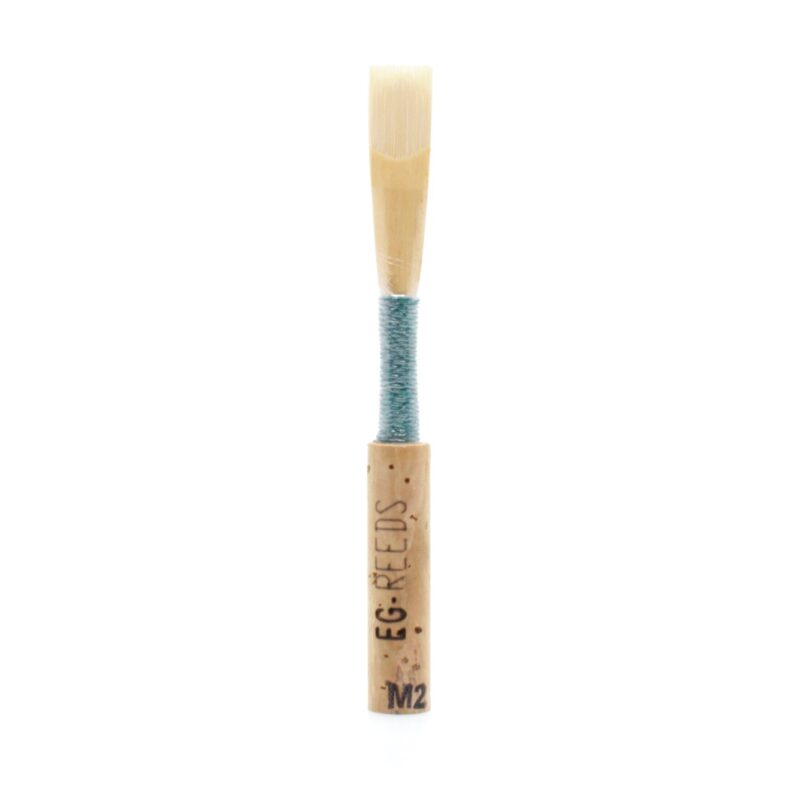
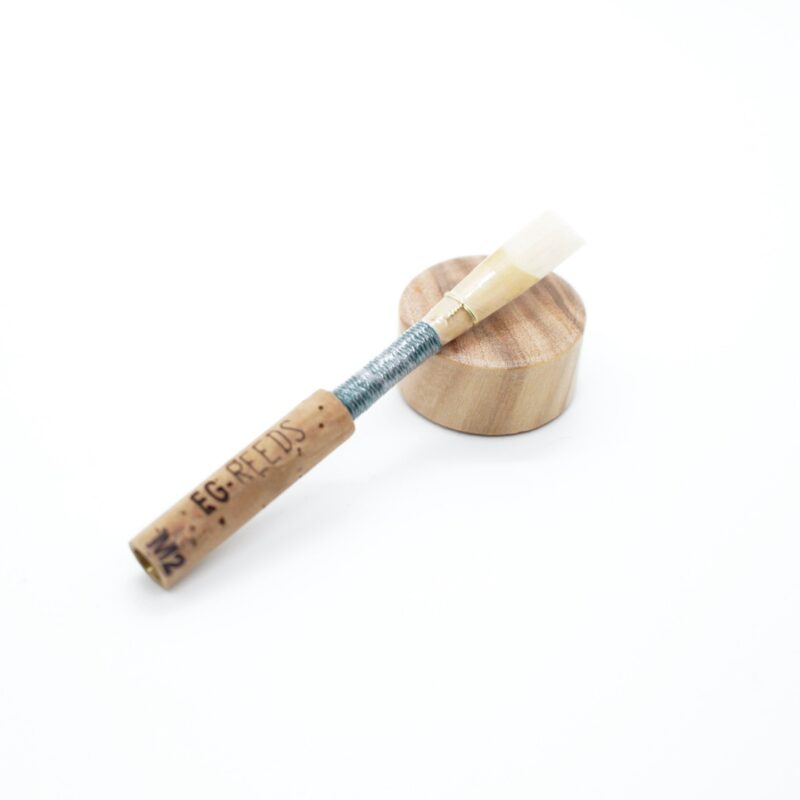
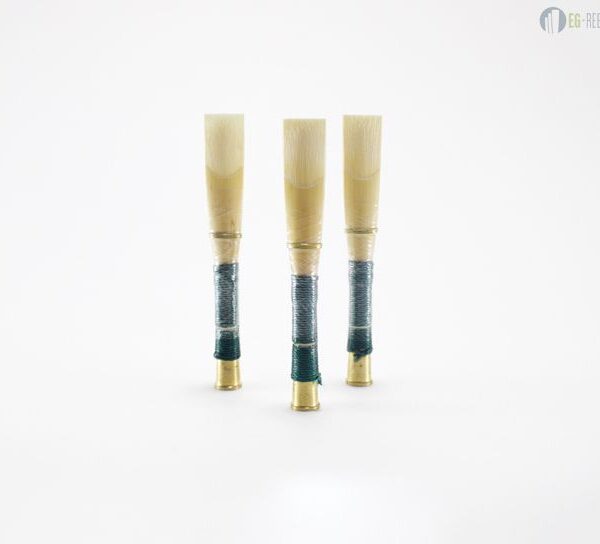
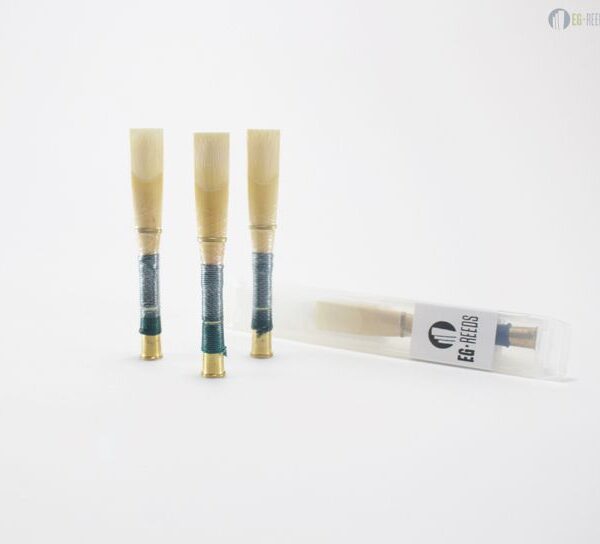
To make a complete reed you need, in addition to the staple, shaped oboe cane, tying thread and the final scrape or adjustment.
You can combine this staple with EG-REEDS shaped oboe cane, explore the oboe staples category or complete your workbench with the Chiarugi oboe mandrel.
Frequently asked questions
What do I need besides the staple?
You need suitable oboe cane, tying thread and the final scrape or adjustment of the reed.
What does Chiarugi 46 2 mean?
It indicates a 46 mm, type 2 Chiarugi staple. It is an intermediate length between the standard 47 2 and the short 45 2.
Why choose 46 mm?
Because it helps raise the pitch slightly compared with the 47 2, without reaching the more pronounced effect of the 45 2.
Can it help if my reed sits low?
Yes, it can be a good first alternative if the 47 2 sits a little low. If you need to raise the pitch further, see the Chiarugi 45 2.
What if my reed sits high?
If the setup is high with 46 mm, it may be better to return to the 47 2 or work with a slightly longer reed.
Does type 2 indicate hardness?
No. Type 2 identifies the model within the Chiarugi range. Final hardness depends on the cane, tying, scrape and adjustment.
Are the measurements exact?
They are reference measurements for the model. As with any staple, small manufacturing or measuring tolerances can exist.
Can I use it for English horn or oboe d’amore?
No, it is only for oboe.
What is the difference from the 47 2 or 45 2 models?
The main difference is length. The 47 2 is the standard length. The 46 2 raises pitch slightly. The 45 2 helps raise it even more.